Compare commits
14 Commits
| Author | SHA1 | Date | |
|---|---|---|---|

|
972ccf4888 | ||
|
|
044f52da6a | ||
|
|
b1a167ad66 | ||
|
|
70dd692299 | ||
|
|
a1855d3998 | ||
|
|
16537baa6f | ||

|
e76feeb06b | ||
|
|
e0335ac4a7 | ||
|
|
54f5eb212a | ||
|
|
c53b4d1e1a | ||
|
|
0075f84b29 | ||
|
|
6ae4c2508c | ||
|
|
41256cc76d | ||
| b94faa1916 |

10
.gitignore
vendored
10
.gitignore
vendored
@@ -1,6 +1,9 @@
|
||||
.idea
|
||||
.pyre/
|
||||
example/venv
|
||||
|
||||
# IDE
|
||||
.idea
|
||||
.vscode
|
||||
|
||||
# Byte-compiled / optimized / DLL files
|
||||
__pycache__/
|
||||
*.py[cod]
|
||||
@@ -106,3 +109,6 @@ venv.bak/
|
||||
# mypy
|
||||
.mypy_cache/
|
||||
example/test_db
|
||||
|
||||
# OS related
|
||||
.DS_Store
|
||||
|
||||
@@ -1,16 +0,0 @@
|
||||
repos:
|
||||
# Using this mirror lets us use mypyc-compiled black, which is about 2x faster
|
||||
- repo: https://github.com/psf/black-pre-commit-mirror
|
||||
rev: 23.12.1
|
||||
hooks:
|
||||
- id: black
|
||||
# It is recommended to specify the latest version of Python
|
||||
# supported by your project here, or alternatively use
|
||||
# pre-commit's default_language_version, see
|
||||
# https://pre-commit.com/#top_level-default_language_version
|
||||
language_version: python3.11
|
||||
|
||||
- repo: https://github.com/fsouza/pre-commit-pyre-check
|
||||
rev: '199dc59' # Use the sha / tag you want to point at
|
||||
hooks:
|
||||
- id: pyre-check
|
||||
@@ -1,15 +0,0 @@
|
||||
{
|
||||
"source_directories": [
|
||||
"."
|
||||
],
|
||||
"search_path": [
|
||||
"env/lib/python3.11/site-packages/"
|
||||
],
|
||||
"ignore_all_errors":[
|
||||
"*env*/*",
|
||||
"example/venv/*",
|
||||
"build/*",
|
||||
"example/*"
|
||||
|
||||
]
|
||||
}
|
||||
@@ -1,4 +1,9 @@
|
||||
# Change Log
|
||||
## 2.9.0
|
||||
* Fix a typo,
|
||||
|
||||
Thanks to @jkirkcaldy
|
||||
|
||||
## 2.8.0
|
||||
* Support For Django 4.0+ JSONField
|
||||
* Removed jsonfield package from requirements
|
||||
|
||||
43
README.md
43
README.md
@@ -2,9 +2,6 @@
|
||||
A Django app that handles MFA, it supports TOTP, U2F, FIDO2 U2F (Web Authn), Email Tokens , Trusted Devices and backup codes.
|
||||
|
||||
[](https://fidoalliance.org/passkeys/)
|
||||
|
||||
[](https://github.com/psf/black)
|
||||
[](https://pyre-check.org/)
|
||||
### Pip Stats
|
||||
[](https://badge.fury.io/py/django-mfa2)
|
||||
[](https://pepy.tech/project/django-mfa2)
|
||||
@@ -14,6 +11,7 @@ A Django app that handles MFA, it supports TOTP, U2F, FIDO2 U2F (Web Authn), Ema
|
||||
[](https://anaconda.org/conda-forge/django-mfa2)
|
||||
[](https://anaconda.org/conda-forge/django-mfa2)
|
||||
|
||||
|
||||
Web Authencation API (WebAuthn) is state-of-the art techology that is expected to replace passwords.
|
||||
|
||||
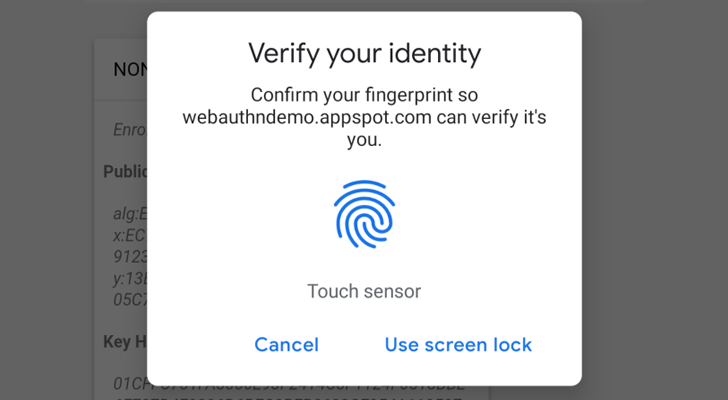
|
||||
@@ -199,6 +197,43 @@ function some_func() {
|
||||
|
||||
````
|
||||
|
||||
# Testing
|
||||
|
||||
We use `pytest` and several pytest plugins, especially the `pytest-django` and `pytest-cov` plugins that provide Django fixtures, and test coverage analysis.
|
||||
|
||||
In the root folder, `pytest.ini` contains configurations for running the tests, `requirements_testing.txt` contains the python packages required for running tests, and the folder `tests` contains the actual test files.
|
||||
|
||||
To run the tests, install the packages in requirements and requirements_testing.txt:
|
||||
|
||||
```bash
|
||||
pip install -r requirements.txt -r requirements_testing.txt
|
||||
```
|
||||
|
||||
then simply run pytest
|
||||
```
|
||||
pytest
|
||||
```
|
||||
|
||||
to generate the coverage html pages:
|
||||
|
||||
```
|
||||
pytest --cov=. --cov-report html -v
|
||||
```
|
||||
|
||||
the coverage html files will be generated in the `htmlcov` folder
|
||||
|
||||
We use `tox` to test the package against different isolated environments. `tox.ini` contains the configurations for tox. To run the tests in the environments defined in the `tox.ini` file, make sure the python package tox is installed:
|
||||
|
||||
```
|
||||
pip install tox
|
||||
```
|
||||
|
||||
then run tox in the project root:
|
||||
|
||||
```
|
||||
tox
|
||||
```
|
||||
|
||||
# Contributors
|
||||
* [mahmoodnasr](https://github.com/mahmoodnasr)
|
||||
* [d3cline](https://github.com/d3cline)
|
||||
@@ -210,6 +245,8 @@ function some_func() {
|
||||
* [ezrajrice](https://github.com/ezrajrice)
|
||||
* [Spitfireap](https://github.com/Spitfireap)
|
||||
* [peterthomassen](https://github.com/peterthomassen)
|
||||
* [oussjarrousse](https://github.com/oussjarrousse)
|
||||
* [jkirkcaldy](https://github.com/jkirkcaldy)
|
||||
|
||||
|
||||
# Security contact information
|
||||
|
||||
@@ -1,36 +1,30 @@
|
||||
from django.shortcuts import render
|
||||
from django.http import HttpResponseRedirect
|
||||
from django.urls import reverse
|
||||
from django.contrib.auth import authenticate, login, logout
|
||||
from django.contrib.auth import authenticate,login,logout
|
||||
from django.contrib.auth.models import User
|
||||
|
||||
|
||||
def loginView(request):
|
||||
context = {}
|
||||
if request.method == "POST":
|
||||
username = request.POST["username"]
|
||||
password = request.POST["password"]
|
||||
user = authenticate(username=username, password=password)
|
||||
context={}
|
||||
if request.method=="POST":
|
||||
username=request.POST["username"]
|
||||
password=request.POST["password"]
|
||||
user=authenticate(username=username,password=password)
|
||||
if user:
|
||||
from mfa.helpers import has_mfa
|
||||
|
||||
res = has_mfa(
|
||||
username=username, request=request
|
||||
) # has_mfa returns false or HttpResponseRedirect
|
||||
res = has_mfa(username = username, request = request) # has_mfa returns false or HttpResponseRedirect
|
||||
if res:
|
||||
return res
|
||||
return create_session(request, user.username)
|
||||
context["invalid"] = True
|
||||
return create_session(request,user.username)
|
||||
context["invalid"]=True
|
||||
return render(request, "login.html", context)
|
||||
|
||||
|
||||
def create_session(request, username):
|
||||
user = User.objects.get(username=username)
|
||||
user.backend = "django.contrib.auth.backends.ModelBackend"
|
||||
def create_session(request,username):
|
||||
user=User.objects.get(username=username)
|
||||
user.backend='django.contrib.auth.backends.ModelBackend'
|
||||
login(request, user)
|
||||
return HttpResponseRedirect(reverse("home"))
|
||||
return HttpResponseRedirect(reverse('home'))
|
||||
|
||||
|
||||
def logoutView(request):
|
||||
logout(request)
|
||||
return render(request, "logout.html", {})
|
||||
return render(request,"logout.html",{})
|
||||
@@ -21,65 +21,65 @@ BASE_DIR = os.path.dirname(os.path.dirname(os.path.abspath(__file__)))
|
||||
# See https://docs.djangoproject.com/en/2.0/howto/deployment/checklist/
|
||||
|
||||
# SECURITY WARNING: keep the secret key used in production secret!
|
||||
SECRET_KEY = "#9)q!_i3@pr-^3oda(e^3$x!kq3b4f33#5l@+=+&vuz+p6gb3g"
|
||||
SECRET_KEY = '#9)q!_i3@pr-^3oda(e^3$x!kq3b4f33#5l@+=+&vuz+p6gb3g'
|
||||
|
||||
# SECURITY WARNING: don't run with debug turned on in production!
|
||||
DEBUG = True
|
||||
|
||||
ALLOWED_HOSTS = ["*"]
|
||||
ALLOWED_HOSTS = ['*']
|
||||
|
||||
|
||||
# Application definition
|
||||
|
||||
INSTALLED_APPS = [
|
||||
"django.contrib.admin",
|
||||
"django.contrib.auth",
|
||||
"django.contrib.contenttypes",
|
||||
"django.contrib.sessions",
|
||||
"django.contrib.messages",
|
||||
"django.contrib.staticfiles",
|
||||
"mfa",
|
||||
"sslserver",
|
||||
'django.contrib.admin',
|
||||
'django.contrib.auth',
|
||||
'django.contrib.contenttypes',
|
||||
'django.contrib.sessions',
|
||||
'django.contrib.messages',
|
||||
'django.contrib.staticfiles',
|
||||
'mfa',
|
||||
'sslserver'
|
||||
]
|
||||
|
||||
MIDDLEWARE = [
|
||||
"django.middleware.security.SecurityMiddleware",
|
||||
"django.contrib.sessions.middleware.SessionMiddleware",
|
||||
"django.middleware.common.CommonMiddleware",
|
||||
"django.middleware.csrf.CsrfViewMiddleware",
|
||||
"django.contrib.auth.middleware.AuthenticationMiddleware",
|
||||
"django.contrib.messages.middleware.MessageMiddleware",
|
||||
"django.middleware.clickjacking.XFrameOptionsMiddleware",
|
||||
'django.middleware.security.SecurityMiddleware',
|
||||
'django.contrib.sessions.middleware.SessionMiddleware',
|
||||
'django.middleware.common.CommonMiddleware',
|
||||
'django.middleware.csrf.CsrfViewMiddleware',
|
||||
'django.contrib.auth.middleware.AuthenticationMiddleware',
|
||||
'django.contrib.messages.middleware.MessageMiddleware',
|
||||
'django.middleware.clickjacking.XFrameOptionsMiddleware',
|
||||
]
|
||||
|
||||
ROOT_URLCONF = "example.urls"
|
||||
ROOT_URLCONF = 'example.urls'
|
||||
|
||||
TEMPLATES = [
|
||||
{
|
||||
"BACKEND": "django.template.backends.django.DjangoTemplates",
|
||||
"DIRS": [os.path.join(BASE_DIR, "example", "templates")],
|
||||
"APP_DIRS": True,
|
||||
"OPTIONS": {
|
||||
"context_processors": [
|
||||
"django.template.context_processors.debug",
|
||||
"django.template.context_processors.request",
|
||||
"django.contrib.auth.context_processors.auth",
|
||||
"django.contrib.messages.context_processors.messages",
|
||||
'BACKEND': 'django.template.backends.django.DjangoTemplates',
|
||||
'DIRS': [os.path.join(BASE_DIR ,'example','templates' )],
|
||||
'APP_DIRS': True,
|
||||
'OPTIONS': {
|
||||
'context_processors': [
|
||||
'django.template.context_processors.debug',
|
||||
'django.template.context_processors.request',
|
||||
'django.contrib.auth.context_processors.auth',
|
||||
'django.contrib.messages.context_processors.messages',
|
||||
],
|
||||
},
|
||||
},
|
||||
]
|
||||
|
||||
WSGI_APPLICATION = "example.wsgi.application"
|
||||
WSGI_APPLICATION = 'example.wsgi.application'
|
||||
|
||||
|
||||
# Database
|
||||
# https://docs.djangoproject.com/en/2.0/ref/settings/#databases
|
||||
|
||||
DATABASES = {
|
||||
"default": {
|
||||
"ENGINE": "django.db.backends.sqlite3",
|
||||
"NAME": "test_db",
|
||||
'default': {
|
||||
'ENGINE': 'django.db.backends.sqlite3',
|
||||
'NAME': 'test_db',
|
||||
}
|
||||
}
|
||||
|
||||
@@ -89,16 +89,16 @@ DATABASES = {
|
||||
|
||||
AUTH_PASSWORD_VALIDATORS = [
|
||||
{
|
||||
"NAME": "django.contrib.auth.password_validation.UserAttributeSimilarityValidator",
|
||||
'NAME': 'django.contrib.auth.password_validation.UserAttributeSimilarityValidator',
|
||||
},
|
||||
{
|
||||
"NAME": "django.contrib.auth.password_validation.MinimumLengthValidator",
|
||||
'NAME': 'django.contrib.auth.password_validation.MinimumLengthValidator',
|
||||
},
|
||||
{
|
||||
"NAME": "django.contrib.auth.password_validation.CommonPasswordValidator",
|
||||
'NAME': 'django.contrib.auth.password_validation.CommonPasswordValidator',
|
||||
},
|
||||
{
|
||||
"NAME": "django.contrib.auth.password_validation.NumericPasswordValidator",
|
||||
'NAME': 'django.contrib.auth.password_validation.NumericPasswordValidator',
|
||||
},
|
||||
]
|
||||
|
||||
@@ -106,9 +106,9 @@ AUTH_PASSWORD_VALIDATORS = [
|
||||
# Internationalization
|
||||
# https://docs.djangoproject.com/en/2.0/topics/i18n/
|
||||
|
||||
LANGUAGE_CODE = "en-us"
|
||||
LANGUAGE_CODE = 'en-us'
|
||||
|
||||
TIME_ZONE = "UTC"
|
||||
TIME_ZONE = 'UTC'
|
||||
|
||||
USE_I18N = True
|
||||
|
||||
@@ -120,38 +120,37 @@ USE_TZ = True
|
||||
# Static files (CSS, JavaScript, Images)
|
||||
# https://docs.djangoproject.com/en/2.0/howto/static-files/
|
||||
|
||||
STATIC_URL = "/static/"
|
||||
# STATIC_ROOT=(os.path.join(BASE_DIR,'static'))
|
||||
STATICFILES_DIRS = [os.path.join(BASE_DIR, "static")]
|
||||
LOGIN_URL = "/auth/login"
|
||||
STATIC_URL = '/static/'
|
||||
#STATIC_ROOT=(os.path.join(BASE_DIR,'static'))
|
||||
STATICFILES_DIRS=[os.path.join(BASE_DIR,'static')]
|
||||
LOGIN_URL="/auth/login"
|
||||
|
||||
EMAIL_FROM = "Test App"
|
||||
EMAIL_HOST = "smtp.gmail.com"
|
||||
EMAIL_PORT = 587
|
||||
EMAIL_HOST_USER = ""
|
||||
EMAIL_HOST_PASSWORD = ""
|
||||
EMAIL_USE_TLS = True
|
||||
EMAIL_FROM='Test App'
|
||||
EMAIL_HOST="smtp.gmail.com"
|
||||
EMAIL_PORT=587
|
||||
EMAIL_HOST_USER=""
|
||||
EMAIL_HOST_PASSWORD=''
|
||||
EMAIL_USE_TLS=True
|
||||
|
||||
|
||||
MFA_UNALLOWED_METHODS = () # Methods that shouldn't be allowed for the user
|
||||
MFA_LOGIN_CALLBACK = "example.auth.create_session" # A function that should be called by username to login the user in session
|
||||
MFA_RECHECK = True # Allow random rechecking of the user
|
||||
MFA_RECHECK_MIN = 10 # Minimum interval in seconds
|
||||
MFA_RECHECK_MAX = 30 # Maximum in seconds
|
||||
MFA_QUICKLOGIN = True # Allow quick login for returning users by provide only their 2FA
|
||||
MFA_HIDE_DISABLE = ("",) # Can the user disable his key (Added in 1.2.0).
|
||||
MFA_REDIRECT_AFTER_REGISTRATION = "registered"
|
||||
MFA_SUCCESS_REGISTRATION_MSG = "Go to Home"
|
||||
|
||||
MFA_UNALLOWED_METHODS=() # Methods that shouldn't be allowed for the user
|
||||
MFA_LOGIN_CALLBACK="example.auth.create_session" # A function that should be called by username to login the user in session
|
||||
MFA_RECHECK=True # Allow random rechecking of the user
|
||||
MFA_RECHECK_MIN=10 # Minimum interval in seconds
|
||||
MFA_RECHECK_MAX=30 # Maximum in seconds
|
||||
MFA_QUICKLOGIN=True # Allow quick login for returning users by provide only their 2FA
|
||||
MFA_HIDE_DISABLE=('',) # Can the user disable his key (Added in 1.2.0).
|
||||
MFA_REDIRECT_AFTER_REGISTRATION="registered"
|
||||
MFA_SUCCESS_REGISTRATION_MSG="Go to Home"
|
||||
MFA_ALWAYS_GO_TO_LAST_METHOD = True
|
||||
MFA_ENFORCE_RECOVERY_METHOD = True
|
||||
MFA_RENAME_METHODS = {"RECOVERY": "Backup Codes", "FIDO2": "Biometric Authentication"}
|
||||
PASSWORD_HASHERS = DEFAULT_PASSWORD_HASHERS # Comment if PASSWORD_HASHER already set
|
||||
PASSWORD_HASHERS += ["mfa.recovery.Hash"]
|
||||
RECOVERY_ITERATION = 1 # Number of iteration for recovery code, higher is more secure, but uses more resources for generation and check...
|
||||
TOKEN_ISSUER_NAME = "PROJECT_NAME" # TOTP Issuer name
|
||||
MFA_RENAME_METHODS = {"RECOVERY":"Backup Codes","FIDO2":"Biometric Authentication"}
|
||||
PASSWORD_HASHERS = DEFAULT_PASSWORD_HASHERS #Comment if PASSWORD_HASHER already set
|
||||
PASSWORD_HASHERS += ['mfa.recovery.Hash']
|
||||
RECOVERY_ITERATION = 1 #Number of iteration for recovery code, higher is more secure, but uses more resources for generation and check...
|
||||
TOKEN_ISSUER_NAME="PROJECT_NAME" #TOTP Issuer name
|
||||
|
||||
U2F_APPID = "https://localhost:9000" # URL For U2F
|
||||
FIDO_SERVER_ID = (
|
||||
"localhost" # Server rp id for FIDO2, it the full domain of your project
|
||||
)
|
||||
FIDO_SERVER_NAME = "TestApp"
|
||||
U2F_APPID="https://localhost:9000" #URL For U2F
|
||||
FIDO_SERVER_ID="localhost" # Server rp id for FIDO2, it the full domain of your project
|
||||
FIDO_SERVER_NAME="TestApp"
|
||||
|
||||
@@ -14,16 +14,15 @@ Including another URLconf
|
||||
2. Add a URL to urlpatterns: path('blog/', include('blog.urls'))
|
||||
"""
|
||||
from django.contrib import admin
|
||||
from django.urls import path, re_path, include
|
||||
from . import views, auth
|
||||
from django.urls import path,re_path,include
|
||||
from . import views,auth
|
||||
from mfa import TrustedDevice
|
||||
|
||||
urlpatterns = [
|
||||
path("admin/", admin.site.urls),
|
||||
path("mfa/", include("mfa.urls")),
|
||||
path("auth/login", auth.loginView, name="login"),
|
||||
path("auth/logout", auth.logoutView, name="logout"),
|
||||
path("devices/add/", TrustedDevice.add, name="add_trusted_device"),
|
||||
re_path("^$", views.home, name="home"),
|
||||
path("registered/", views.registered, name="registered"),
|
||||
path('admin/', admin.site.urls),
|
||||
path('mfa/', include('mfa.urls')),
|
||||
path('auth/login',auth.loginView,name="login"),
|
||||
path('auth/logout',auth.logoutView,name="logout"),
|
||||
path('devices/add/', TrustedDevice.add,name="add_trusted_device"),
|
||||
re_path('^$',views.home,name='home'),
|
||||
path('registered/',views.registered,name='registered')
|
||||
]
|
||||
|
||||
@@ -4,9 +4,8 @@ from django.contrib.auth.decorators import login_required
|
||||
|
||||
@login_required()
|
||||
def home(request):
|
||||
return render(request, "home.html", {})
|
||||
|
||||
return render(request,"home.html",{})
|
||||
|
||||
@login_required()
|
||||
def registered(request):
|
||||
return render(request, "home.html", {"registered": True})
|
||||
return render(request,"home.html",{"registered":True})
|
||||
|
||||
@@ -1,26 +1,19 @@
|
||||
from django.conf import settings
|
||||
from django.core.mail import EmailMessage
|
||||
|
||||
try:
|
||||
from django.urls import reverse
|
||||
except ImportError:
|
||||
from django.core.urlresolver import reverse # pyre-ignore[21]
|
||||
except:
|
||||
from django.core.urlresolver import reverse
|
||||
|
||||
|
||||
def send(to, subject, body):
|
||||
def send(to,subject,body):
|
||||
from_email_address = settings.EMAIL_HOST_USER
|
||||
if "@" not in from_email_address:
|
||||
if '@' not in from_email_address:
|
||||
from_email_address = settings.DEFAULT_FROM_EMAIL
|
||||
From = "%s <%s>" % (settings.EMAIL_FROM, from_email_address)
|
||||
email = EmailMessage(subject, body, From, to)
|
||||
email = EmailMessage(subject,body,From,to)
|
||||
email.content_subtype = "html"
|
||||
return email.send(False)
|
||||
|
||||
|
||||
def get_redirect_url():
|
||||
return {
|
||||
"redirect_html": reverse(
|
||||
getattr(settings, "MFA_REDIRECT_AFTER_REGISTRATION", "mfa_home")
|
||||
),
|
||||
"reg_success_msg": getattr(settings, "MFA_SUCCESS_REGISTRATION_MSG"),
|
||||
}
|
||||
return {"redirect_html": reverse(getattr(settings, 'MFA_REDIRECT_AFTER_REGISTRATION', 'mfa_home')),
|
||||
"reg_success_msg":getattr(settings,"MFA_SUCCESS_REGISTRATION_MSG")}
|
||||
|
||||
95
mfa/Email.py
95
mfa/Email.py
@@ -1,107 +1,72 @@
|
||||
from django.shortcuts import render
|
||||
from django.views.decorators.cache import never_cache
|
||||
from django.template.context_processors import csrf
|
||||
import datetime, random
|
||||
import datetime,random
|
||||
from random import randint
|
||||
from .models import *
|
||||
|
||||
#from django.template.context import RequestContext
|
||||
from .views import login
|
||||
from .Common import send
|
||||
|
||||
|
||||
def sendEmail(request, username, secret):
|
||||
def sendEmail(request,username,secret):
|
||||
"""Send Email to the user after rendering `mfa_email_token_template`"""
|
||||
from django.contrib.auth import get_user_model
|
||||
|
||||
User = get_user_model()
|
||||
key = getattr(User, "USERNAME_FIELD", "username")
|
||||
key = getattr(User, 'USERNAME_FIELD', 'username')
|
||||
kwargs = {key: username}
|
||||
user = User.objects.get(**kwargs)
|
||||
res = render(
|
||||
request,
|
||||
"mfa_email_token_template.html",
|
||||
{"request": request, "user": user, "otp": secret},
|
||||
)
|
||||
return send([user.email], "OTP", res.content.decode())
|
||||
|
||||
res=render(request,"mfa_email_token_template.html",{"request":request,"user":user,'otp':secret})
|
||||
return send([user.email],"OTP", res.content.decode())
|
||||
|
||||
@never_cache
|
||||
def start(request):
|
||||
"""Start adding email as a 2nd factor"""
|
||||
context = csrf(request)
|
||||
if request.method == "POST":
|
||||
if request.session["email_secret"] == request.POST["otp"]: # if successful
|
||||
uk = User_Keys()
|
||||
uk.username = request.user.username
|
||||
uk.key_type = "Email"
|
||||
uk.enabled = 1
|
||||
if request.session["email_secret"] == request.POST["otp"]: #if successful
|
||||
uk=User_Keys()
|
||||
uk.username=request.user.username
|
||||
uk.key_type="Email"
|
||||
uk.enabled=1
|
||||
uk.save()
|
||||
from django.http import HttpResponseRedirect
|
||||
|
||||
try:
|
||||
from django.core.urlresolvers import reverse # pyre-ignore[21]
|
||||
from django.core.urlresolvers import reverse
|
||||
except:
|
||||
from django.urls import reverse
|
||||
if (
|
||||
getattr(settings, "MFA_ENFORCE_RECOVERY_METHOD", False)
|
||||
and not User_Keys.objects.filter(
|
||||
key_type="RECOVERY", username=request.user.username
|
||||
).exists()
|
||||
):
|
||||
request.session["mfa_reg"] = {
|
||||
"method": "Email",
|
||||
"name": getattr(settings, "MFA_RENAME_METHODS", {}).get(
|
||||
"Email", "Email"
|
||||
),
|
||||
}
|
||||
if getattr(settings, 'MFA_ENFORCE_RECOVERY_METHOD', False) and not User_Keys.objects.filter(
|
||||
key_type="RECOVERY", username=request.user.username).exists():
|
||||
request.session["mfa_reg"] = {"method": "Email",
|
||||
"name": getattr(settings, "MFA_RENAME_METHODS", {}).get("Email", "Email")}
|
||||
else:
|
||||
return HttpResponseRedirect(
|
||||
reverse(
|
||||
getattr(settings, "MFA_REDIRECT_AFTER_REGISTRATION", "mfa_home")
|
||||
)
|
||||
)
|
||||
return HttpResponseRedirect(reverse(getattr(settings,'MFA_REDIRECT_AFTER_REGISTRATION','mfa_home')))
|
||||
context["invalid"] = True
|
||||
else:
|
||||
request.session["email_secret"] = str(
|
||||
randint(0, 100000)
|
||||
) # generate a random integer
|
||||
request.session["email_secret"] = str(randint(0,100000)) #generate a random integer
|
||||
|
||||
if sendEmail(request, request.user.username, request.session["email_secret"]):
|
||||
context["sent"] = True
|
||||
return render(request, "Email/Add.html", context)
|
||||
|
||||
|
||||
return render(request,"Email/Add.html", context)
|
||||
@never_cache
|
||||
def auth(request):
|
||||
"""Authenticating the user by email."""
|
||||
context = csrf(request)
|
||||
if request.method == "POST":
|
||||
if request.session["email_secret"] == request.POST["otp"].strip():
|
||||
uk = User_Keys.objects.get(
|
||||
username=request.session["base_username"], key_type="Email"
|
||||
)
|
||||
mfa = {"verified": True, "method": "Email", "id": uk.id}
|
||||
context=csrf(request)
|
||||
if request.method=="POST":
|
||||
if request.session["email_secret"]==request.POST["otp"].strip():
|
||||
uk = User_Keys.objects.get(username=request.session["base_username"], key_type="Email")
|
||||
mfa = {"verified": True, "method": "Email","id":uk.id}
|
||||
if getattr(settings, "MFA_RECHECK", False):
|
||||
mfa["next_check"] = datetime.datetime.timestamp(
|
||||
datetime.datetime.now()
|
||||
+ datetime.timedelta(
|
||||
seconds=random.randint(
|
||||
settings.MFA_RECHECK_MIN, settings.MFA_RECHECK_MAX
|
||||
)
|
||||
)
|
||||
)
|
||||
mfa["next_check"] = datetime.datetime.timestamp(datetime.datetime.now() + datetime.timedelta(
|
||||
seconds = random.randint(settings.MFA_RECHECK_MIN, settings.MFA_RECHECK_MAX)))
|
||||
request.session["mfa"] = mfa
|
||||
|
||||
from django.utils import timezone
|
||||
|
||||
uk.last_used = timezone.now()
|
||||
uk.last_used=timezone.now()
|
||||
uk.save()
|
||||
return login(request)
|
||||
context["invalid"] = True
|
||||
context["invalid"]=True
|
||||
else:
|
||||
request.session["email_secret"] = str(randint(0, 100000))
|
||||
if sendEmail(
|
||||
request, request.session["base_username"], request.session["email_secret"]
|
||||
):
|
||||
if sendEmail(request, request.session["base_username"], request.session["email_secret"]):
|
||||
context["sent"] = True
|
||||
return render(request, "Email/Auth.html", context)
|
||||
return render(request,"Email/Auth.html", context)
|
||||
|
||||
185
mfa/FIDO2.py
185
mfa/FIDO2.py
@@ -1,14 +1,15 @@
|
||||
from fido2.client import Fido2Client
|
||||
from fido2.server import Fido2Server, PublicKeyCredentialRpEntity
|
||||
from fido2.webauthn import AttestationObject, AuthenticatorData, CollectedClientData
|
||||
from django.template.context_processors import csrf
|
||||
from django.views.decorators.csrf import csrf_exempt
|
||||
from django.shortcuts import render
|
||||
|
||||
# from django.template.context import RequestContext
|
||||
import simplejson
|
||||
from fido2 import cbor
|
||||
from django.http import HttpResponse
|
||||
from django.conf import settings
|
||||
from .models import User_Keys
|
||||
from .models import *
|
||||
from fido2.utils import websafe_decode, websafe_encode
|
||||
from fido2.webauthn import AttestedCredentialData
|
||||
from .views import login, reset_cookie
|
||||
@@ -17,7 +18,6 @@ from .Common import get_redirect_url
|
||||
from django.utils import timezone
|
||||
from django.http import JsonResponse
|
||||
|
||||
|
||||
def recheck(request):
|
||||
"""Starts FIDO2 recheck"""
|
||||
context = csrf(request)
|
||||
@@ -28,28 +28,21 @@ def recheck(request):
|
||||
|
||||
def getServer():
|
||||
"""Get Server Info from settings and returns a Fido2Server"""
|
||||
rp = PublicKeyCredentialRpEntity(
|
||||
id=settings.FIDO_SERVER_ID, name=settings.FIDO_SERVER_NAME
|
||||
)
|
||||
rp = PublicKeyCredentialRpEntity(id=settings.FIDO_SERVER_ID, name=settings.FIDO_SERVER_NAME)
|
||||
return Fido2Server(rp)
|
||||
|
||||
|
||||
def begin_registeration(request):
|
||||
"""Starts registering a new FIDO Device, called from API"""
|
||||
server = getServer()
|
||||
registration_data, state = server.register_begin(
|
||||
{
|
||||
"id": request.user.username.encode("utf8"),
|
||||
"name": (request.user.first_name + " " + request.user.last_name),
|
||||
"displayName": request.user.username,
|
||||
},
|
||||
getUserCredentials(request.user.username),
|
||||
)
|
||||
request.session["fido_state"] = state
|
||||
registration_data, state = server.register_begin({
|
||||
u'id': request.user.username.encode("utf8"),
|
||||
u'name': (request.user.first_name + " " + request.user.last_name),
|
||||
u'displayName': request.user.username,
|
||||
}, getUserCredentials(request.user.username))
|
||||
request.session['fido_state'] = state
|
||||
|
||||
return HttpResponse(
|
||||
cbor.encode(registration_data), content_type="application/octet-stream"
|
||||
)
|
||||
return HttpResponse(cbor.encode(registration_data), content_type = 'application/octet-stream')
|
||||
|
||||
|
||||
@csrf_exempt
|
||||
@@ -57,81 +50,53 @@ def complete_reg(request):
|
||||
"""Completes the registeration, called by API"""
|
||||
try:
|
||||
if not "fido_state" in request.session:
|
||||
return JsonResponse(
|
||||
{
|
||||
"status": "ERR",
|
||||
"message": "FIDO Status can't be found, please try again",
|
||||
}
|
||||
)
|
||||
return JsonResponse({'status': 'ERR', "message": "FIDO Status can't be found, please try again"})
|
||||
data = cbor.decode(request.body)
|
||||
|
||||
client_data = CollectedClientData(data["clientDataJSON"])
|
||||
att_obj = AttestationObject((data["attestationObject"]))
|
||||
client_data = CollectedClientData(data['clientDataJSON'])
|
||||
att_obj = AttestationObject((data['attestationObject']))
|
||||
server = getServer()
|
||||
auth_data = server.register_complete(
|
||||
request.session.pop("fido_state"), client_data, att_obj
|
||||
request.session.pop('fido_state'),
|
||||
client_data,
|
||||
att_obj
|
||||
)
|
||||
encoded = websafe_encode(auth_data.credential_data)
|
||||
uk = User_Keys()
|
||||
uk.username = request.user.username
|
||||
uk.properties = {
|
||||
"device": encoded,
|
||||
"type": att_obj.fmt,
|
||||
}
|
||||
uk.properties = {"device": encoded, "type": att_obj.fmt, }
|
||||
uk.owned_by_enterprise = getattr(settings, "MFA_OWNED_BY_ENTERPRISE", False)
|
||||
uk.key_type = "FIDO2"
|
||||
uk.save()
|
||||
if (
|
||||
getattr(settings, "MFA_ENFORCE_RECOVERY_METHOD", False)
|
||||
and not User_Keys.objects.filter(
|
||||
key_type="RECOVERY", username=request.user.username
|
||||
).exists()
|
||||
):
|
||||
request.session["mfa_reg"] = {
|
||||
"method": "FIDO2",
|
||||
"name": getattr(settings, "MFA_RENAME_METHODS", {}).get(
|
||||
"FIDO2", "FIDO2"
|
||||
),
|
||||
}
|
||||
return HttpResponse(simplejson.dumps({"status": "RECOVERY"}))
|
||||
if getattr(settings, 'MFA_ENFORCE_RECOVERY_METHOD', False) and not User_Keys.objects.filter(key_type = "RECOVERY", username=request.user.username).exists():
|
||||
request.session["mfa_reg"] = {"method":"FIDO2","name": getattr(settings, "MFA_RENAME_METHODS", {}).get("FIDO2", "FIDO2")}
|
||||
return HttpResponse(simplejson.dumps({'status': 'RECOVERY'}))
|
||||
else:
|
||||
return HttpResponse(simplejson.dumps({"status": "OK"}))
|
||||
return HttpResponse(simplejson.dumps({'status': 'OK'}))
|
||||
except Exception as exp:
|
||||
import traceback
|
||||
|
||||
print(traceback.format_exc())
|
||||
try:
|
||||
from raven.contrib.django.raven_compat.models import client
|
||||
|
||||
client.captureException()
|
||||
except:
|
||||
pass
|
||||
return JsonResponse(
|
||||
{"status": "ERR", "message": "Error on server, please try again later"}
|
||||
)
|
||||
return JsonResponse({'status': 'ERR', "message": "Error on server, please try again later"})
|
||||
|
||||
|
||||
def start(request):
|
||||
"""Start Registration a new FIDO Token"""
|
||||
context = csrf(request)
|
||||
context.update(get_redirect_url())
|
||||
context["method"] = {
|
||||
"name": getattr(settings, "MFA_RENAME_METHODS", {}).get(
|
||||
"FIDO2", "FIDO2 Security Key"
|
||||
)
|
||||
}
|
||||
context["RECOVERY_METHOD"] = getattr(settings, "MFA_RENAME_METHODS", {}).get(
|
||||
"RECOVERY", "Recovery codes"
|
||||
)
|
||||
context["method"] = {"name":getattr(settings,"MFA_RENAME_METHODS",{}).get("FIDO2","FIDO2 Security Key")}
|
||||
context["RECOVERY_METHOD"]=getattr(settings,"MFA_RENAME_METHODS",{}).get("RECOVERY","Recovery codes")
|
||||
return render(request, "FIDO2/Add.html", context)
|
||||
|
||||
|
||||
def getUserCredentials(username):
|
||||
credentials = []
|
||||
for uk in User_Keys.objects.filter(username=username, key_type="FIDO2"):
|
||||
credentials.append(
|
||||
AttestedCredentialData(websafe_decode(uk.properties["device"]))
|
||||
)
|
||||
for uk in User_Keys.objects.filter(username = username, key_type = "FIDO2"):
|
||||
credentials.append(AttestedCredentialData(websafe_decode(uk.properties["device"])))
|
||||
return credentials
|
||||
|
||||
|
||||
@@ -142,12 +107,10 @@ def auth(request):
|
||||
|
||||
def authenticate_begin(request):
|
||||
server = getServer()
|
||||
credentials = getUserCredentials(
|
||||
request.session.get("base_username", request.user.username)
|
||||
)
|
||||
credentials = getUserCredentials(request.session.get("base_username", request.user.username))
|
||||
auth_data, state = server.authenticate_begin(credentials)
|
||||
request.session["fido_state"] = state
|
||||
return HttpResponse(cbor.encode(auth_data), content_type="application/octet-stream")
|
||||
request.session['fido_state'] = state
|
||||
return HttpResponse(cbor.encode(auth_data), content_type = "application/octet-stream")
|
||||
|
||||
|
||||
@csrf_exempt
|
||||
@@ -158,76 +121,49 @@ def authenticate_complete(request):
|
||||
server = getServer()
|
||||
credentials = getUserCredentials(username)
|
||||
data = cbor.decode(request.body)
|
||||
credential_id = data["credentialId"]
|
||||
client_data = CollectedClientData(data["clientDataJSON"])
|
||||
auth_data = AuthenticatorData(data["authenticatorData"])
|
||||
signature = data["signature"]
|
||||
credential_id = data['credentialId']
|
||||
client_data = CollectedClientData(data['clientDataJSON'])
|
||||
auth_data = AuthenticatorData(data['authenticatorData'])
|
||||
signature = data['signature']
|
||||
try:
|
||||
cred = server.authenticate_complete(
|
||||
request.session.pop("fido_state"),
|
||||
request.session.pop('fido_state'),
|
||||
credentials,
|
||||
credential_id,
|
||||
client_data,
|
||||
auth_data,
|
||||
signature,
|
||||
signature
|
||||
)
|
||||
except ValueError:
|
||||
return HttpResponse(
|
||||
simplejson.dumps(
|
||||
{
|
||||
"status": "ERR",
|
||||
"message": "Wrong challenge received, make sure that this is your security and try again.",
|
||||
}
|
||||
),
|
||||
content_type="application/json",
|
||||
)
|
||||
return HttpResponse(simplejson.dumps({'status': "ERR",
|
||||
"message": "Wrong challenge received, make sure that this is your security and try again."}),
|
||||
content_type = "application/json")
|
||||
except Exception as excep:
|
||||
try:
|
||||
from raven.contrib.django.raven_compat.models import client
|
||||
|
||||
client.captureException()
|
||||
except:
|
||||
pass
|
||||
return HttpResponse(
|
||||
simplejson.dumps({"status": "ERR", "message": str(excep)}),
|
||||
content_type="application/json",
|
||||
)
|
||||
return HttpResponse(simplejson.dumps({'status': "ERR",
|
||||
"message": str(excep)}),
|
||||
content_type = "application/json")
|
||||
|
||||
if request.session.get("mfa_recheck", False):
|
||||
import time
|
||||
|
||||
request.session["mfa"]["rechecked_at"] = time.time()
|
||||
return HttpResponse(
|
||||
simplejson.dumps({"status": "OK"}), content_type="application/json"
|
||||
)
|
||||
return HttpResponse(simplejson.dumps({'status': "OK"}),
|
||||
content_type = "application/json")
|
||||
else:
|
||||
import random
|
||||
|
||||
keys = User_Keys.objects.filter(
|
||||
username=username, key_type="FIDO2", enabled=1
|
||||
)
|
||||
keys = User_Keys.objects.filter(username = username, key_type = "FIDO2", enabled = 1)
|
||||
for k in keys:
|
||||
if (
|
||||
AttestedCredentialData(
|
||||
websafe_decode(k.properties["device"])
|
||||
).credential_id
|
||||
== cred.credential_id
|
||||
):
|
||||
if AttestedCredentialData(websafe_decode(k.properties["device"])).credential_id == cred.credential_id:
|
||||
k.last_used = timezone.now()
|
||||
k.save()
|
||||
mfa = {"verified": True, "method": "FIDO2", "id": k.id}
|
||||
mfa = {"verified": True, "method": "FIDO2", 'id': k.id}
|
||||
if getattr(settings, "MFA_RECHECK", False):
|
||||
mfa["next_check"] = datetime.datetime.timestamp(
|
||||
(
|
||||
datetime.datetime.now()
|
||||
+ datetime.timedelta(
|
||||
seconds=random.randint(
|
||||
settings.MFA_RECHECK_MIN,
|
||||
settings.MFA_RECHECK_MAX,
|
||||
)
|
||||
)
|
||||
)
|
||||
)
|
||||
mfa["next_check"] = datetime.datetime.timestamp((datetime.datetime.now() + datetime.timedelta(
|
||||
seconds = random.randint(settings.MFA_RECHECK_MIN, settings.MFA_RECHECK_MAX))))
|
||||
request.session["mfa"] = mfa
|
||||
try:
|
||||
authenticated = request.user.is_authenticated
|
||||
@@ -235,20 +171,11 @@ def authenticate_complete(request):
|
||||
authenticated = request.user.is_authenticated()
|
||||
if not authenticated:
|
||||
res = login(request)
|
||||
if not "location" in res:
|
||||
return reset_cookie(request)
|
||||
return HttpResponse(
|
||||
simplejson.dumps(
|
||||
{"status": "OK", "redirect": res["location"]}
|
||||
),
|
||||
content_type="application/json",
|
||||
)
|
||||
return HttpResponse(
|
||||
simplejson.dumps({"status": "OK"}),
|
||||
content_type="application/json",
|
||||
)
|
||||
if not "location" in res: return reset_cookie(request)
|
||||
return HttpResponse(simplejson.dumps({'status': "OK", "redirect": res["location"]}),
|
||||
content_type = "application/json")
|
||||
return HttpResponse(simplejson.dumps({'status': "OK"}),
|
||||
content_type = "application/json")
|
||||
except Exception as exp:
|
||||
return HttpResponse(
|
||||
simplejson.dumps({"status": "ERR", "message": exp.message}),
|
||||
content_type="application/json",
|
||||
)
|
||||
return HttpResponse(simplejson.dumps({'status': "ERR", "message": exp.message}),
|
||||
content_type = "application/json")
|
||||
|
||||
@@ -2,177 +2,138 @@ import string
|
||||
import random
|
||||
from django.shortcuts import render
|
||||
from django.http import HttpResponse
|
||||
from django.template.context import RequestContext
|
||||
from django.template.context_processors import csrf
|
||||
from .models import *
|
||||
import user_agents
|
||||
from django.utils import timezone
|
||||
from django.urls import reverse
|
||||
|
||||
from .models import User_Keys
|
||||
|
||||
|
||||
def id_generator(size=6, chars=string.ascii_uppercase + string.digits):
|
||||
x = "".join(random.choice(chars) for _ in range(size))
|
||||
if not User_Keys.objects.filter(properties__icontains='"key": "%s"' % x).exists():
|
||||
return x
|
||||
return id_generator(size, chars)
|
||||
|
||||
x=''.join(random.choice(chars) for _ in range(size))
|
||||
if not User_Keys.objects.filter(properties__icontains='"key": "%s"'%x).exists(): return x
|
||||
else: return id_generator(size,chars)
|
||||
|
||||
def getUserAgent(request):
|
||||
device_id = request.session.get("td_id", None)
|
||||
if device_id:
|
||||
tk = User_Keys.objects.get(id=device_id)
|
||||
if tk.properties.get("user_agent", "") != "":
|
||||
id=id=request.session.get("td_id",None)
|
||||
if id:
|
||||
tk=User_Keys.objects.get(id=id)
|
||||
if tk.properties.get("user_agent","")!="":
|
||||
ua = user_agents.parse(tk.properties["user_agent"])
|
||||
res = render(None, "TrustedDevices/user-agent.html", context={"ua": ua})
|
||||
res = render(None, "TrustedDevices/user-agent.html", context={"ua":ua})
|
||||
return HttpResponse(res)
|
||||
return HttpResponse("No Device provide", status=401)
|
||||
|
||||
return HttpResponse("")
|
||||
|
||||
def trust_device(request):
|
||||
tk = User_Keys.objects.get(id=request.session["td_id"])
|
||||
tk.properties["status"] = "trusted"
|
||||
tk.properties["status"]="trusted"
|
||||
tk.save()
|
||||
del request.session["td_id"]
|
||||
return HttpResponse("OK")
|
||||
|
||||
|
||||
def checkTrusted(request):
|
||||
res = ""
|
||||
id = request.session.get("td_id", "")
|
||||
if id != "":
|
||||
id=request.session.get("td_id","")
|
||||
if id!="":
|
||||
try:
|
||||
tk = User_Keys.objects.get(id=id)
|
||||
if tk.properties["status"] == "trusted":
|
||||
res = "OK"
|
||||
if tk.properties["status"] == "trusted": res = "OK"
|
||||
except:
|
||||
pass
|
||||
return HttpResponse(res)
|
||||
|
||||
|
||||
def getCookie(request):
|
||||
tk = User_Keys.objects.get(id=request.session["td_id"])
|
||||
|
||||
if tk.properties["status"] == "trusted":
|
||||
context = {"added": True}
|
||||
response = render(request, "TrustedDevices/Done.html", context)
|
||||
context={"added":True}
|
||||
response = render(request,"TrustedDevices/Done.html", context)
|
||||
from datetime import datetime, timedelta
|
||||
|
||||
expires = datetime.now() + timedelta(days=180)
|
||||
tk.expires = expires
|
||||
tk.expires=expires
|
||||
tk.save()
|
||||
response.set_cookie("deviceid", tk.properties["signature"], expires=expires)
|
||||
return response
|
||||
|
||||
|
||||
def add(request):
|
||||
context = csrf(request)
|
||||
if request.method == "GET":
|
||||
context.update(
|
||||
{"username": request.GET.get("u", ""), "key": request.GET.get("k", "")}
|
||||
)
|
||||
return render(request, "TrustedDevices/Add.html", context)
|
||||
context=csrf(request)
|
||||
if request.method=="GET":
|
||||
context.update({"username":request.GET.get('u',''),"key":request.GET.get('k','')})
|
||||
return render(request,"TrustedDevices/Add.html",context)
|
||||
else:
|
||||
key = request.POST["key"].replace("-", "").replace(" ", "").upper()
|
||||
key=request.POST["key"].replace("-","").replace(" ","").upper()
|
||||
context["username"] = request.POST["username"]
|
||||
context["key"] = request.POST["key"]
|
||||
trusted_keys = User_Keys.objects.filter(
|
||||
username=request.POST["username"], properties__icontains='"key": "%s"' % key
|
||||
)
|
||||
cookie = False
|
||||
trusted_keys=User_Keys.objects.filter(username=request.POST["username"],properties__icontains='"key": "%s"'%key)
|
||||
cookie=False
|
||||
if trusted_keys.exists():
|
||||
tk = trusted_keys[0]
|
||||
request.session["td_id"] = tk.id
|
||||
ua = request.META["HTTP_USER_AGENT"]
|
||||
agent = user_agents.parse(ua)
|
||||
tk=trusted_keys[0]
|
||||
request.session["td_id"]=tk.id
|
||||
ua=request.META['HTTP_USER_AGENT']
|
||||
agent=user_agents.parse(ua)
|
||||
if agent.is_pc:
|
||||
context["invalid"] = "This is a PC, it can't used as a trusted device."
|
||||
context["invalid"]="This is a PC, it can't used as a trusted device."
|
||||
else:
|
||||
tk.properties["user_agent"] = ua
|
||||
tk.properties["user_agent"]=ua
|
||||
tk.save()
|
||||
context["success"] = True
|
||||
context["success"]=True
|
||||
# tk.properties["user_agent"]=ua
|
||||
# tk.save()
|
||||
# context["success"]=True
|
||||
|
||||
else:
|
||||
context[
|
||||
"invalid"
|
||||
] = "The username or key is wrong, please check and try again."
|
||||
|
||||
return render(request, "TrustedDevices/Add.html", context)
|
||||
context["invalid"]="The username or key is wrong, please check and try again."
|
||||
|
||||
return render(request,"TrustedDevices/Add.html", context)
|
||||
|
||||
def start(request):
|
||||
if (
|
||||
User_Keys.objects.filter(
|
||||
username=request.user.username, key_type="Trusted Device"
|
||||
).count()
|
||||
>= 2
|
||||
):
|
||||
return render(request, "TrustedDevices/start.html", {"not_allowed": True})
|
||||
td = None
|
||||
if not request.session.get("td_id", None):
|
||||
td = User_Keys()
|
||||
td.username = request.user.username
|
||||
td.properties = {"key": id_generator(), "status": "adding"}
|
||||
td.key_type = "Trusted Device"
|
||||
if User_Keys.objects.filter(username=request.user.username,key_type="Trusted Device").count()>= 2:
|
||||
return render(request,"TrustedDevices/start.html",{"not_allowed":True})
|
||||
td=None
|
||||
if not request.session.get("td_id",None):
|
||||
td=User_Keys()
|
||||
td.username=request.user.username
|
||||
td.properties={"key":id_generator(),"status":"adding"}
|
||||
td.key_type="Trusted Device"
|
||||
td.save()
|
||||
request.session["td_id"] = td.id
|
||||
request.session["td_id"]=td.id
|
||||
try:
|
||||
if td == None:
|
||||
td = User_Keys.objects.get(id=request.session["td_id"])
|
||||
context = {
|
||||
"key": td.properties["key"],
|
||||
"url": request.scheme
|
||||
+ "://"
|
||||
+ request.get_host()
|
||||
+ reverse("add_trusted_device"),
|
||||
}
|
||||
if td==None: td=User_Keys.objects.get(id=request.session["td_id"])
|
||||
context={"key":td.properties["key"],"url":request.scheme+"://"+request.get_host() + reverse('add_trusted_device')}
|
||||
except:
|
||||
del request.session["td_id"]
|
||||
return start(request)
|
||||
return render(request, "TrustedDevices/start.html", context)
|
||||
|
||||
return render(request,"TrustedDevices/start.html",context)
|
||||
|
||||
def send_email(request):
|
||||
body = render(request, "TrustedDevices/email.html", {}).content
|
||||
body=render(request,"TrustedDevices/email.html",{}).content
|
||||
from .Common import send
|
||||
|
||||
e = request.user.email
|
||||
if e == "":
|
||||
e = request.session.get("user", {}).get("email", "")
|
||||
if e == "":
|
||||
e=request.user.email
|
||||
if e=="":
|
||||
e=request.session.get("user",{}).get("email","")
|
||||
if e=="":
|
||||
res = "User has no email on the system."
|
||||
elif send([e], "Add Trusted Device Link", body):
|
||||
res = "Sent Successfully"
|
||||
elif send([e],"Add Trusted Device Link",body):
|
||||
res="Sent Successfully"
|
||||
else:
|
||||
res = "Error occured, please try again later."
|
||||
res="Error occured, please try again later."
|
||||
return HttpResponse(res)
|
||||
|
||||
|
||||
def verify(request):
|
||||
if request.COOKIES.get("deviceid", None):
|
||||
if request.COOKIES.get('deviceid',None):
|
||||
from jose import jwt
|
||||
|
||||
json = jwt.decode(request.COOKIES.get("deviceid"), settings.SECRET_KEY)
|
||||
if json["username"].lower() == request.session["base_username"].lower():
|
||||
json= jwt.decode(request.COOKIES.get('deviceid'),settings.SECRET_KEY)
|
||||
if json["username"].lower()== request.session['base_username'].lower():
|
||||
try:
|
||||
uk = User_Keys.objects.get(
|
||||
username=request.POST["username"].lower(),
|
||||
properties__icontains='"key": "%s"' % json["key"],
|
||||
)
|
||||
uk = User_Keys.objects.get(username=request.POST["username"].lower(), properties__icontains='"key": "%s"'%json["key"])
|
||||
if uk.enabled and uk.properties["status"] == "trusted":
|
||||
uk.last_used = timezone.now()
|
||||
uk.last_used=timezone.now()
|
||||
uk.save()
|
||||
request.session["mfa"] = {
|
||||
"verified": True,
|
||||
"method": "Trusted Device",
|
||||
"id": uk.id,
|
||||
}
|
||||
request.session["mfa"] = {"verified": True, "method": "Trusted Device","id":uk.id}
|
||||
return True
|
||||
except:
|
||||
import traceback
|
||||
|
||||
print(traceback.format_exc())
|
||||
return False
|
||||
return False
|
||||
|
||||
156
mfa/U2F.py
156
mfa/U2F.py
@@ -1,171 +1,123 @@
|
||||
from u2flib_server.u2f import (
|
||||
begin_registration,
|
||||
begin_authentication,
|
||||
complete_registration,
|
||||
complete_authentication,
|
||||
)
|
||||
|
||||
from u2flib_server.u2f import (begin_registration, begin_authentication,
|
||||
complete_registration, complete_authentication)
|
||||
from cryptography import x509
|
||||
from cryptography.hazmat.backends import default_backend
|
||||
from cryptography.hazmat.primitives.serialization import Encoding
|
||||
from django.shortcuts import render
|
||||
import simplejson
|
||||
|
||||
#from django.template.context import RequestContext
|
||||
from django.template.context_processors import csrf
|
||||
from django.http import HttpResponse
|
||||
from django.conf import settings
|
||||
from .models import User_Keys
|
||||
from django.http import HttpResponse
|
||||
from .models import *
|
||||
from .views import login
|
||||
from .Common import get_redirect_url
|
||||
import datetime
|
||||
from django.utils import timezone
|
||||
|
||||
|
||||
def recheck(request):
|
||||
context = csrf(request)
|
||||
context["mode"] = "recheck"
|
||||
context["mode"]="recheck"
|
||||
s = sign(request.user.username)
|
||||
request.session["_u2f_challenge_"] = s[0]
|
||||
context["token"] = s[1]
|
||||
request.session["mfa_recheck"] = True
|
||||
return render(request, "U2F/recheck.html", context)
|
||||
|
||||
request.session["mfa_recheck"]=True
|
||||
return render(request,"U2F/recheck.html", context)
|
||||
|
||||
def process_recheck(request):
|
||||
x = validate(request, request.user.username)
|
||||
if x == True:
|
||||
x=validate(request,request.user.username)
|
||||
if x==True:
|
||||
import time
|
||||
|
||||
request.session["mfa"]["rechecked_at"] = time.time()
|
||||
return HttpResponse(
|
||||
simplejson.dumps({"recheck": True}), content_type="application/json"
|
||||
)
|
||||
return HttpResponse(simplejson.dumps({"recheck":True}),content_type="application/json")
|
||||
return x
|
||||
|
||||
|
||||
def check_errors(request, data):
|
||||
if "errorCode" in data:
|
||||
if data["errorCode"] == 0:
|
||||
return True
|
||||
if data["errorCode"] == 0: return True
|
||||
if data["errorCode"] == 4:
|
||||
return HttpResponse("Invalid Security Key")
|
||||
if data["errorCode"] == 1:
|
||||
return auth(request)
|
||||
return True
|
||||
|
||||
|
||||
def validate(request, username):
|
||||
def validate(request,username):
|
||||
import datetime, random
|
||||
|
||||
data = simplejson.loads(request.POST["response"])
|
||||
|
||||
res = check_errors(request, data)
|
||||
if res != True:
|
||||
res= check_errors(request,data)
|
||||
if res!=True:
|
||||
return res
|
||||
|
||||
challenge = request.session.pop("_u2f_challenge_")
|
||||
challenge = request.session.pop('_u2f_challenge_')
|
||||
device, c, t = complete_authentication(challenge, data, [settings.U2F_APPID])
|
||||
try:
|
||||
key = User_Keys.objects.get(
|
||||
username=username,
|
||||
properties__icontains='"publicKey": "%s"' % device["publicKey"],
|
||||
)
|
||||
key.last_used = timezone.now()
|
||||
key=User_Keys.objects.get(username=username,properties__icontains='"publicKey": "%s"'%device["publicKey"])
|
||||
key.last_used=timezone.now()
|
||||
key.save()
|
||||
mfa = {"verified": True, "method": "U2F", "id": key.id}
|
||||
mfa = {"verified": True, "method": "U2F","id":key.id}
|
||||
if getattr(settings, "MFA_RECHECK", False):
|
||||
mfa["next_check"] = datetime.datetime.timestamp(
|
||||
(
|
||||
datetime.datetime.now()
|
||||
+ datetime.timedelta(
|
||||
seconds=random.randint(
|
||||
settings.MFA_RECHECK_MIN, settings.MFA_RECHECK_MAX
|
||||
)
|
||||
)
|
||||
)
|
||||
)
|
||||
mfa["next_check"] = datetime.datetime.timestamp((datetime.datetime.now()
|
||||
+ datetime.timedelta(
|
||||
seconds=random.randint(settings.MFA_RECHECK_MIN, settings.MFA_RECHECK_MAX))))
|
||||
request.session["mfa"] = mfa
|
||||
return True
|
||||
except:
|
||||
return False
|
||||
|
||||
|
||||
def auth(request):
|
||||
context = csrf(request)
|
||||
s = sign(request.session["base_username"])
|
||||
request.session["_u2f_challenge_"] = s[0]
|
||||
context["token"] = s[1]
|
||||
context["method"] = {
|
||||
"name": getattr(settings, "MFA_RENAME_METHODS", {}).get(
|
||||
"U2F", "Classical Security Key"
|
||||
)
|
||||
}
|
||||
return render(request, "U2F/Auth.html", context)
|
||||
|
||||
def auth(request):
|
||||
context=csrf(request)
|
||||
s=sign(request.session["base_username"])
|
||||
request.session["_u2f_challenge_"]=s[0]
|
||||
context["token"]=s[1]
|
||||
context["method"] = {"name": getattr(settings, "MFA_RENAME_METHODS", {}).get("U2F", "Classical Security Key")}
|
||||
return render(request,"U2F/Auth.html",context)
|
||||
|
||||
def start(request):
|
||||
enroll = begin_registration(settings.U2F_APPID, [])
|
||||
request.session["_u2f_enroll_"] = enroll.json
|
||||
context = csrf(request)
|
||||
context["token"] = simplejson.dumps(enroll.data_for_client)
|
||||
request.session['_u2f_enroll_'] = enroll.json
|
||||
context=csrf(request)
|
||||
context["token"]=simplejson.dumps(enroll.data_for_client)
|
||||
context.update(get_redirect_url())
|
||||
context["method"] = {
|
||||
"name": getattr(settings, "MFA_RENAME_METHODS", {}).get(
|
||||
"U2F", "Classical Security Key"
|
||||
)
|
||||
}
|
||||
context["RECOVERY_METHOD"] = getattr(settings, "MFA_RENAME_METHODS", {}).get(
|
||||
"RECOVERY", "Recovery codes"
|
||||
)
|
||||
return render(request, "U2F/Add.html", context)
|
||||
context["method"] = {"name": getattr(settings, "MFA_RENAME_METHODS", {}).get("U2F", "Classical Security Key")}
|
||||
context["RECOVERY_METHOD"] = getattr(settings, "MFA_RENAME_METHODS", {}).get("RECOVERY", "Recovery codes")
|
||||
return render(request,"U2F/Add.html",context)
|
||||
|
||||
|
||||
def bind(request):
|
||||
import hashlib
|
||||
|
||||
enroll = request.session["_u2f_enroll_"]
|
||||
data = simplejson.loads(request.POST["response"])
|
||||
enroll = request.session['_u2f_enroll_']
|
||||
data=simplejson.loads(request.POST["response"])
|
||||
device, cert = complete_registration(enroll, data, [settings.U2F_APPID])
|
||||
cert = x509.load_der_x509_certificate(cert, default_backend())
|
||||
cert_hash = hashlib.md5(cert.public_bytes(Encoding.PEM)).hexdigest()
|
||||
q = User_Keys.objects.filter(key_type="U2F", properties__icontains=cert_hash)
|
||||
cert_hash=hashlib.md5(cert.public_bytes(Encoding.PEM)).hexdigest()
|
||||
q=User_Keys.objects.filter(key_type="U2F", properties__icontains= cert_hash)
|
||||
if q.exists():
|
||||
return HttpResponse(
|
||||
"This key is registered before, it can't be registered again."
|
||||
)
|
||||
User_Keys.objects.filter(username=request.user.username, key_type="U2F").delete()
|
||||
return HttpResponse("This key is registered before, it can't be registered again.")
|
||||
User_Keys.objects.filter(username=request.user.username,key_type="U2F").delete()
|
||||
uk = User_Keys()
|
||||
uk.username = request.user.username
|
||||
uk.owned_by_enterprise = getattr(settings, "MFA_OWNED_BY_ENTERPRISE", False)
|
||||
uk.properties = {"device": simplejson.loads(device.json), "cert": cert_hash}
|
||||
uk.properties = {"device":simplejson.loads(device.json),"cert":cert_hash}
|
||||
uk.key_type = "U2F"
|
||||
uk.save()
|
||||
if (
|
||||
getattr(settings, "MFA_ENFORCE_RECOVERY_METHOD", False)
|
||||
and not User_Keys.objects.filter(
|
||||
key_type="RECOVERY", username=request.user.username
|
||||
).exists()
|
||||
):
|
||||
request.session["mfa_reg"] = {
|
||||
"method": "U2F",
|
||||
"name": getattr(settings, "MFA_RENAME_METHODS", {}).get(
|
||||
"U2F", "Classical Security Key"
|
||||
),
|
||||
}
|
||||
return HttpResponse("RECOVERY")
|
||||
if getattr(settings, 'MFA_ENFORCE_RECOVERY_METHOD', False) and not User_Keys.objects.filter(key_type="RECOVERY",
|
||||
username=request.user.username).exists():
|
||||
request.session["mfa_reg"] = {"method": "U2F",
|
||||
"name": getattr(settings, "MFA_RENAME_METHODS", {}).get("U2F", "Classical Security Key")}
|
||||
return HttpResponse('RECOVERY')
|
||||
return HttpResponse("OK")
|
||||
|
||||
|
||||
def sign(username):
|
||||
u2f_devices = [
|
||||
d.properties["device"]
|
||||
for d in User_Keys.objects.filter(username=username, key_type="U2F")
|
||||
]
|
||||
u2f_devices=[d.properties["device"] for d in User_Keys.objects.filter(username=username,key_type="U2F")]
|
||||
challenge = begin_authentication(settings.U2F_APPID, u2f_devices)
|
||||
return [challenge.json, simplejson.dumps(challenge.data_for_client)]
|
||||
|
||||
return [challenge.json,simplejson.dumps(challenge.data_for_client)]
|
||||
|
||||
def verify(request):
|
||||
x = validate(request, request.session["base_username"])
|
||||
if x == True:
|
||||
x= validate(request,request.session["base_username"])
|
||||
if x==True:
|
||||
return login(request)
|
||||
else:
|
||||
return x
|
||||
else: return x
|
||||
|
||||
@@ -1 +1 @@
|
||||
__version__ = "2.2.0"
|
||||
__version__="2.2.0"
|
||||
|
||||
@@ -1,6 +1,4 @@
|
||||
from django.apps import AppConfig
|
||||
|
||||
|
||||
class myAppNameConfig(AppConfig):
|
||||
name = "mfa"
|
||||
verbose_name = "A Much Better Name"
|
||||
name = 'mfa'
|
||||
verbose_name = 'Django MFA2'
|
||||
@@ -1,46 +1,32 @@
|
||||
from .models import User_Keys
|
||||
import pyotp
|
||||
from .models import *
|
||||
from . import TrustedDevice, U2F, FIDO2, totp
|
||||
import simplejson
|
||||
from django.shortcuts import HttpResponse
|
||||
from mfa.views import verify
|
||||
|
||||
|
||||
def has_mfa(request, username):
|
||||
if User_Keys.objects.filter(username=username, enabled=1).count() > 0:
|
||||
from mfa.views import verify,goto
|
||||
def has_mfa(request,username):
|
||||
if User_Keys.objects.filter(username=username,enabled=1).count()>0:
|
||||
return verify(request, username)
|
||||
return False
|
||||
|
||||
|
||||
def is_mfa(request, ignore_methods=[]):
|
||||
if request.session.get("mfa", {}).get("verified", False):
|
||||
if not request.session.get("mfa", {}).get("method", None) in ignore_methods:
|
||||
def is_mfa(request,ignore_methods=[]):
|
||||
if request.session.get("mfa",{}).get("verified",False):
|
||||
if not request.session.get("mfa",{}).get("method",None) in ignore_methods:
|
||||
return True
|
||||
return False
|
||||
|
||||
|
||||
def recheck(request):
|
||||
method = request.session.get("mfa", {}).get("method", None)
|
||||
method=request.session.get("mfa",{}).get("method",None)
|
||||
if not method:
|
||||
return HttpResponse(
|
||||
simplejson.dumps({"res": False}), content_type="application/json"
|
||||
)
|
||||
if method == "Trusted Device":
|
||||
return HttpResponse(
|
||||
simplejson.dumps({"res": TrustedDevice.verify(request)}),
|
||||
content_type="application/json",
|
||||
)
|
||||
elif method == "U2F":
|
||||
return HttpResponse(
|
||||
simplejson.dumps({"html": U2F.recheck(request).content}),
|
||||
content_type="application/json",
|
||||
)
|
||||
return HttpResponse(simplejson.dumps({"res":False}),content_type="application/json")
|
||||
if method=="Trusted Device":
|
||||
return HttpResponse(simplejson.dumps({"res":TrustedDevice.verify(request)}),content_type="application/json")
|
||||
elif method=="U2F":
|
||||
return HttpResponse(simplejson.dumps({"html": U2F.recheck(request).content}), content_type="application/json")
|
||||
elif method == "FIDO2":
|
||||
return HttpResponse(
|
||||
simplejson.dumps({"html": FIDO2.recheck(request).content}),
|
||||
content_type="application/json",
|
||||
)
|
||||
elif method == "TOTP":
|
||||
return HttpResponse(
|
||||
simplejson.dumps({"html": totp.recheck(request).content}),
|
||||
content_type="application/json",
|
||||
)
|
||||
return HttpResponse(simplejson.dumps({"html": FIDO2.recheck(request).content}), content_type="application/json")
|
||||
elif method=="TOTP":
|
||||
return HttpResponse(simplejson.dumps({"html": totp.recheck(request).content}), content_type="application/json")
|
||||
|
||||
|
||||
|
||||
|
||||
@@ -1,25 +1,13 @@
|
||||
import time
|
||||
from django.http import HttpResponseRedirect
|
||||
|
||||
try:
|
||||
from django.urls import reverse
|
||||
except ImportError:
|
||||
from django.core.urlresolvers import reverse # pyre-ignore[21]
|
||||
|
||||
|
||||
from django.core.urlresolvers import reverse
|
||||
from django.conf import settings
|
||||
|
||||
|
||||
def process(request):
|
||||
next_check = request.session.get("mfa", {}).get("next_check", False)
|
||||
if not next_check:
|
||||
return None
|
||||
now = int(time.time())
|
||||
next_check=request.session.get('mfa',{}).get("next_check",False)
|
||||
if not next_check: return None
|
||||
now=int(time.time())
|
||||
if now >= next_check:
|
||||
method = request.session["mfa"]["method"]
|
||||
method=request.session["mfa"]["method"]
|
||||
path = request.META["PATH_INFO"]
|
||||
return HttpResponseRedirect(
|
||||
reverse(method + "_auth")
|
||||
+ "?next=%s" % (settings.BASE_URL + path).replace("//", "/")
|
||||
)
|
||||
return HttpResponseRedirect(reverse(method+"_auth")+"?next=%s"%(settings.BASE_URL + path).replace("//", "/"))
|
||||
return None
|
||||
@@ -5,24 +5,18 @@ from django.db import models, migrations
|
||||
|
||||
|
||||
class Migration(migrations.Migration):
|
||||
dependencies = []
|
||||
|
||||
dependencies = [
|
||||
]
|
||||
|
||||
operations = [
|
||||
migrations.CreateModel(
|
||||
name="User_Keys",
|
||||
name='User_Keys',
|
||||
fields=[
|
||||
(
|
||||
"id",
|
||||
models.AutoField(
|
||||
verbose_name="ID",
|
||||
serialize=False,
|
||||
auto_created=True,
|
||||
primary_key=True,
|
||||
),
|
||||
),
|
||||
("username", models.CharField(max_length=50)),
|
||||
("secret_key", models.CharField(max_length=15)),
|
||||
("added_on", models.DateTimeField(auto_now_add=True)),
|
||||
('id', models.AutoField(verbose_name='ID', serialize=False, auto_created=True, primary_key=True)),
|
||||
('username', models.CharField(max_length=50)),
|
||||
('secret_key', models.CharField(max_length=15)),
|
||||
('added_on', models.DateTimeField(auto_now_add=True)),
|
||||
],
|
||||
),
|
||||
]
|
||||
|
||||
@@ -5,14 +5,15 @@ from django.db import models, migrations
|
||||
|
||||
|
||||
class Migration(migrations.Migration):
|
||||
|
||||
dependencies = [
|
||||
("mfa", "0001_initial"),
|
||||
('mfa', '0001_initial'),
|
||||
]
|
||||
|
||||
operations = [
|
||||
migrations.AddField(
|
||||
model_name="user_keys",
|
||||
name="key_type",
|
||||
field=models.CharField(default=b"TOTP", max_length=25),
|
||||
model_name='user_keys',
|
||||
name='key_type',
|
||||
field=models.CharField(default=b'TOTP', max_length=25),
|
||||
),
|
||||
]
|
||||
|
||||
@@ -5,14 +5,15 @@ from django.db import models, migrations
|
||||
|
||||
|
||||
class Migration(migrations.Migration):
|
||||
|
||||
dependencies = [
|
||||
("mfa", "0002_user_keys_key_type"),
|
||||
('mfa', '0002_user_keys_key_type'),
|
||||
]
|
||||
|
||||
operations = [
|
||||
migrations.AlterField(
|
||||
model_name="user_keys",
|
||||
name="secret_key",
|
||||
model_name='user_keys',
|
||||
name='secret_key',
|
||||
field=models.CharField(max_length=32),
|
||||
),
|
||||
]
|
||||
|
||||
@@ -5,14 +5,15 @@ from django.db import models, migrations
|
||||
|
||||
|
||||
class Migration(migrations.Migration):
|
||||
|
||||
dependencies = [
|
||||
("mfa", "0003_auto_20181114_2159"),
|
||||
('mfa', '0003_auto_20181114_2159'),
|
||||
]
|
||||
|
||||
operations = [
|
||||
migrations.AddField(
|
||||
model_name="user_keys",
|
||||
name="enabled",
|
||||
model_name='user_keys',
|
||||
name='enabled',
|
||||
field=models.BooleanField(default=True),
|
||||
),
|
||||
]
|
||||
|
||||
@@ -2,39 +2,36 @@
|
||||
from __future__ import unicode_literals
|
||||
|
||||
from django.db import models, migrations
|
||||
|
||||
try:
|
||||
from django.db.models import JSONField
|
||||
except ImportError:
|
||||
try:
|
||||
from jsonfield.fields import JSONField # pyre-ignore[21]
|
||||
from jsonfield.fields import JSONField
|
||||
except ImportError:
|
||||
raise ImportError(
|
||||
"Can't find a JSONField implementation, please install jsonfield if django < 4.0"
|
||||
)
|
||||
raise ImportError("Can't find a JSONField implementation, please install jsonfield if django < 4.0")
|
||||
|
||||
|
||||
|
||||
def modify_json(apps, schema_editor):
|
||||
from django.conf import settings
|
||||
|
||||
if "mysql" in settings.DATABASES.get("default", {}).get("engine", ""):
|
||||
migrations.RunSQL("alter table mfa_user_keys modify column properties json;")
|
||||
|
||||
|
||||
class Migration(migrations.Migration):
|
||||
dependencies = [
|
||||
("mfa", "0004_user_keys_enabled"),
|
||||
('mfa', '0004_user_keys_enabled'),
|
||||
]
|
||||
|
||||
operations = [
|
||||
migrations.RemoveField(
|
||||
model_name="user_keys",
|
||||
name="secret_key",
|
||||
model_name='user_keys',
|
||||
name='secret_key',
|
||||
),
|
||||
migrations.AddField(
|
||||
model_name="user_keys",
|
||||
name="properties",
|
||||
model_name='user_keys',
|
||||
name='properties',
|
||||
field=JSONField(null=True),
|
||||
),
|
||||
migrations.RunPython(modify_json),
|
||||
migrations.RunPython(modify_json)
|
||||
]
|
||||
|
||||
@@ -5,30 +5,23 @@ from django.db import models, migrations
|
||||
|
||||
|
||||
class Migration(migrations.Migration):
|
||||
|
||||
dependencies = [
|
||||
("mfa", "0005_auto_20181115_2014"),
|
||||
('mfa', '0005_auto_20181115_2014'),
|
||||
]
|
||||
|
||||
operations = [
|
||||
migrations.CreateModel(
|
||||
name="Trusted_Devices",
|
||||
name='Trusted_Devices',
|
||||
fields=[
|
||||
(
|
||||
"id",
|
||||
models.AutoField(
|
||||
verbose_name="ID",
|
||||
serialize=False,
|
||||
auto_created=True,
|
||||
primary_key=True,
|
||||
),
|
||||
),
|
||||
("signature", models.CharField(max_length=255)),
|
||||
("key", models.CharField(max_length=6)),
|
||||
("username", models.CharField(max_length=50)),
|
||||
("user_agent", models.CharField(max_length=255)),
|
||||
("status", models.CharField(default=b"adding", max_length=255)),
|
||||
("added_on", models.DateTimeField(auto_now_add=True)),
|
||||
("last_used", models.DateTimeField(default=None, null=True)),
|
||||
('id', models.AutoField(verbose_name='ID', serialize=False, auto_created=True, primary_key=True)),
|
||||
('signature', models.CharField(max_length=255)),
|
||||
('key', models.CharField(max_length=6)),
|
||||
('username', models.CharField(max_length=50)),
|
||||
('user_agent', models.CharField(max_length=255)),
|
||||
('status', models.CharField(default=b'adding', max_length=255)),
|
||||
('added_on', models.DateTimeField(auto_now_add=True)),
|
||||
('last_used', models.DateTimeField(default=None, null=True)),
|
||||
],
|
||||
),
|
||||
]
|
||||
|
||||
@@ -5,17 +5,18 @@ from django.db import models, migrations
|
||||
|
||||
|
||||
class Migration(migrations.Migration):
|
||||
|
||||
dependencies = [
|
||||
("mfa", "0006_trusted_devices"),
|
||||
('mfa', '0006_trusted_devices'),
|
||||
]
|
||||
|
||||
operations = [
|
||||
migrations.DeleteModel(
|
||||
name="Trusted_Devices",
|
||||
name='Trusted_Devices',
|
||||
),
|
||||
migrations.AddField(
|
||||
model_name="user_keys",
|
||||
name="expires",
|
||||
model_name='user_keys',
|
||||
name='expires',
|
||||
field=models.DateTimeField(default=None, null=True, blank=True),
|
||||
),
|
||||
]
|
||||
|
||||
@@ -5,14 +5,15 @@ from django.db import models, migrations
|
||||
|
||||
|
||||
class Migration(migrations.Migration):
|
||||
|
||||
dependencies = [
|
||||
("mfa", "0007_auto_20181230_1549"),
|
||||
('mfa', '0007_auto_20181230_1549'),
|
||||
]
|
||||
|
||||
operations = [
|
||||
migrations.AddField(
|
||||
model_name="user_keys",
|
||||
name="last_used",
|
||||
model_name='user_keys',
|
||||
name='last_used',
|
||||
field=models.DateTimeField(default=None, null=True, blank=True),
|
||||
),
|
||||
]
|
||||
|
||||
@@ -6,22 +6,21 @@ from django.conf import settings
|
||||
|
||||
|
||||
def update_owned_by_enterprise(apps, schema_editor):
|
||||
user_keys = apps.get_model("mfa", "user_keys")
|
||||
user_keys.objects.filter(key_type="FIDO2").update(
|
||||
owned_by_enterprise=getattr(settings, "MFA_OWNED_BY_ENTERPRISE", False)
|
||||
)
|
||||
user_keys = apps.get_model('mfa', 'user_keys')
|
||||
user_keys.objects.filter(key_type='FIDO2').update(owned_by_enterprise=getattr(settings,"MFA_OWNED_BY_ENTERPRISE",False))
|
||||
|
||||
|
||||
class Migration(migrations.Migration):
|
||||
|
||||
dependencies = [
|
||||
("mfa", "0008_user_keys_last_used"),
|
||||
('mfa', '0008_user_keys_last_used'),
|
||||
]
|
||||
|
||||
operations = [
|
||||
migrations.AddField(
|
||||
model_name="user_keys",
|
||||
name="owned_by_enterprise",
|
||||
model_name='user_keys',
|
||||
name='owned_by_enterprise',
|
||||
field=models.NullBooleanField(default=None),
|
||||
),
|
||||
migrations.RunPython(update_owned_by_enterprise),
|
||||
migrations.RunPython(update_owned_by_enterprise)
|
||||
]
|
||||
|
||||
@@ -4,14 +4,15 @@ from django.db import migrations, models
|
||||
|
||||
|
||||
class Migration(migrations.Migration):
|
||||
|
||||
dependencies = [
|
||||
("mfa", "0009_user_keys_owned_by_enterprise"),
|
||||
('mfa', '0009_user_keys_owned_by_enterprise'),
|
||||
]
|
||||
|
||||
operations = [
|
||||
migrations.AlterField(
|
||||
model_name="user_keys",
|
||||
name="key_type",
|
||||
field=models.CharField(default="TOTP", max_length=25),
|
||||
model_name='user_keys',
|
||||
name='key_type',
|
||||
field=models.CharField(default='TOTP', max_length=25),
|
||||
),
|
||||
]
|
||||
|
||||
@@ -4,14 +4,15 @@ from django.db import migrations, models
|
||||
|
||||
|
||||
class Migration(migrations.Migration):
|
||||
|
||||
dependencies = [
|
||||
("mfa", "0010_auto_20201110_0557"),
|
||||
('mfa', '0010_auto_20201110_0557'),
|
||||
]
|
||||
|
||||
operations = [
|
||||
migrations.AlterField(
|
||||
model_name="user_keys",
|
||||
name="owned_by_enterprise",
|
||||
model_name='user_keys',
|
||||
name='owned_by_enterprise',
|
||||
field=models.BooleanField(blank=True, default=None, null=True),
|
||||
),
|
||||
]
|
||||
|
||||
@@ -1,52 +1,39 @@
|
||||
from django.db import models
|
||||
|
||||
try:
|
||||
from django.db.models import JSONField
|
||||
except ModuleNotFoundError:
|
||||
try:
|
||||
from jsonfield import JSONField # pyre-ignore[21]
|
||||
except ModuleNotFoundError as exc:
|
||||
raise ModuleNotFoundError(
|
||||
"Can't find a JSONField implementation, please install jsonfield if django < 4.0"
|
||||
)
|
||||
from jsonfield import JSONField
|
||||
except ModuleNotFoundError:
|
||||
raise ModuleNotFoundError("Can't find a JSONField implementation, please install jsonfield if django < 4.0")
|
||||
|
||||
from jose import jwt
|
||||
from django.conf import settings
|
||||
#from jsonLookup import shasLookup, hasLookup
|
||||
# JSONField.register_lookup(shasLookup)
|
||||
# JSONField.register_lookup(hasLookup)
|
||||
|
||||
|
||||
class User_Keys(models.Model):
|
||||
username = models.CharField(max_length=50)
|
||||
properties = JSONField(null=True)
|
||||
added_on = models.DateTimeField(auto_now_add=True)
|
||||
key_type = models.CharField(max_length=25, default="TOTP")
|
||||
enabled = models.BooleanField(default=True)
|
||||
expires = models.DateTimeField(null=True, default=None, blank=True)
|
||||
last_used = models.DateTimeField(null=True, default=None, blank=True)
|
||||
owned_by_enterprise = models.BooleanField(default=None, null=True, blank=True)
|
||||
username=models.CharField(max_length = 50)
|
||||
properties=JSONField(null = True)
|
||||
added_on=models.DateTimeField(auto_now_add = True)
|
||||
key_type=models.CharField(max_length = 25,default = "TOTP")
|
||||
enabled=models.BooleanField(default=True)
|
||||
expires=models.DateTimeField(null=True,default=None,blank=True)
|
||||
last_used=models.DateTimeField(null=True,default=None,blank=True)
|
||||
owned_by_enterprise=models.BooleanField(default=None,null=True,blank=True)
|
||||
|
||||
def save(
|
||||
self, force_insert=False, force_update=False, using=None, update_fields=None
|
||||
):
|
||||
if (
|
||||
self.key_type == "Trusted Device"
|
||||
and self.properties.get("signature", "") == ""
|
||||
):
|
||||
self.properties["signature"] = jwt.encode(
|
||||
{"username": self.username, "key": self.properties["key"]},
|
||||
settings.SECRET_KEY,
|
||||
)
|
||||
super(User_Keys, self).save(
|
||||
force_insert=force_insert,
|
||||
force_update=force_update,
|
||||
using=using,
|
||||
update_fields=update_fields,
|
||||
)
|
||||
def save(self, force_insert=False, force_update=False, using=None, update_fields=None):
|
||||
if self.key_type == "Trusted Device" and self.properties.get("signature","") == "":
|
||||
self.properties["signature"]= jwt.encode({"username": self.username, "key": self.properties["key"]}, settings.SECRET_KEY)
|
||||
super(User_Keys, self).save(force_insert=force_insert, force_update=force_update, using=using, update_fields=update_fields)
|
||||
|
||||
def __unicode__(self):
|
||||
return "%s -- %s" % (self.username, self.key_type)
|
||||
return "%s -- %s"%(self.username,self.key_type)
|
||||
|
||||
def __str__(self):
|
||||
return self.__unicode__()
|
||||
|
||||
class Meta:
|
||||
app_label = "mfa"
|
||||
app_label='mfa'
|
||||
|
||||
110
mfa/recovery.py
110
mfa/recovery.py
@@ -3,145 +3,115 @@ from django.views.decorators.cache import never_cache
|
||||
from django.template.context_processors import csrf
|
||||
from django.contrib.auth.hashers import make_password, PBKDF2PasswordHasher
|
||||
from django.http import HttpResponse
|
||||
from django.conf import settings
|
||||
from .Common import get_redirect_url
|
||||
from .models import User_Keys
|
||||
from .models import *
|
||||
import simplejson
|
||||
import random
|
||||
import string
|
||||
import datetime
|
||||
from django.utils import timezone
|
||||
|
||||
USER_FRIENDLY_NAME = "Recovery Codes"
|
||||
|
||||
|
||||
class Hash(PBKDF2PasswordHasher):
|
||||
algorithm = "pbkdf2_sha256_custom"
|
||||
iterations = getattr(settings, "RECOVERY_ITERATION", 1)
|
||||
|
||||
algorithm = 'pbkdf2_sha256_custom'
|
||||
iterations = getattr(settings,"RECOVERY_ITERATION",1)
|
||||
|
||||
def delTokens(request):
|
||||
# Only when all MFA have been deactivated, or to generate new !
|
||||
# We iterate only to clean if any error happend and multiple entry of RECOVERY created for one user
|
||||
for key in User_Keys.objects.filter(
|
||||
username=request.user.username, key_type="RECOVERY"
|
||||
):
|
||||
#Only when all MFA have been deactivated, or to generate new !
|
||||
#We iterate only to clean if any error happend and multiple entry of RECOVERY created for one user
|
||||
for key in User_Keys.objects.filter(username=request.user.username, key_type = "RECOVERY"):
|
||||
if key.username == request.user.username:
|
||||
key.delete()
|
||||
|
||||
|
||||
def randomGen(n):
|
||||
return "".join(
|
||||
random.choice(string.ascii_uppercase + string.ascii_lowercase + string.digits)
|
||||
for _ in range(n)
|
||||
)
|
||||
|
||||
return ''.join(random.choice(string.ascii_uppercase + string.ascii_lowercase + string.digits) for _ in range(n))
|
||||
|
||||
@never_cache
|
||||
def genTokens(request):
|
||||
# Delete old ones
|
||||
#Delete old ones
|
||||
delTokens(request)
|
||||
# Then generate new one
|
||||
#Then generate new one
|
||||
salt = randomGen(15)
|
||||
hashedKeys = []
|
||||
clearKeys = []
|
||||
for i in range(5):
|
||||
token = randomGen(5) + "-" + randomGen(5)
|
||||
hashedToken = make_password(token, salt, "pbkdf2_sha256_custom")
|
||||
hashedKeys.append(hashedToken)
|
||||
clearKeys.append(token)
|
||||
uk = User_Keys()
|
||||
token = randomGen(5) + "-" + randomGen(5)
|
||||
hashedToken = make_password(token, salt, 'pbkdf2_sha256_custom')
|
||||
hashedKeys.append(hashedToken)
|
||||
clearKeys.append(token)
|
||||
uk=User_Keys()
|
||||
|
||||
uk.username = request.user.username
|
||||
uk.properties = {"secret_keys": hashedKeys, "salt": salt}
|
||||
uk.key_type = "RECOVERY"
|
||||
uk.properties={"secret_keys":hashedKeys, "salt":salt}
|
||||
uk.key_type="RECOVERY"
|
||||
uk.enabled = True
|
||||
uk.save()
|
||||
return HttpResponse(simplejson.dumps({"keys": clearKeys}))
|
||||
return HttpResponse(simplejson.dumps({"keys":clearKeys}))
|
||||
|
||||
|
||||
def verify_login(request, username, token):
|
||||
for key in User_Keys.objects.filter(username=username, key_type="RECOVERY"):
|
||||
for key in User_Keys.objects.filter(username=username, key_type = "RECOVERY"):
|
||||
secret_keys = key.properties["secret_keys"]
|
||||
salt = key.properties["salt"]
|
||||
hashedToken = make_password(token, salt, "pbkdf2_sha256_custom")
|
||||
for i, token in enumerate(secret_keys):
|
||||
for i,token in enumerate(secret_keys):
|
||||
if hashedToken == token:
|
||||
secret_keys.pop(i)
|
||||
key.properties["secret_keys"] = secret_keys
|
||||
key.last_used = timezone.now()
|
||||
key.last_used= timezone.now()
|
||||
key.save()
|
||||
return [True, key.id, len(secret_keys) == 0]
|
||||
return [False]
|
||||
|
||||
|
||||
def getTokenLeft(request):
|
||||
uk = User_Keys.objects.filter(username=request.user.username, key_type="RECOVERY")
|
||||
keyLeft = 0
|
||||
uk = User_Keys.objects.filter(username=request.user.username, key_type = "RECOVERY")
|
||||
keyLeft=0
|
||||
for key in uk:
|
||||
keyLeft += len(key.properties["secret_keys"])
|
||||
return HttpResponse(simplejson.dumps({"left": keyLeft}))
|
||||
|
||||
return HttpResponse(simplejson.dumps({"left":keyLeft}))
|
||||
|
||||
def recheck(request):
|
||||
context = csrf(request)
|
||||
context["mode"] = "recheck"
|
||||
context["mode"]="recheck"
|
||||
if request.method == "POST":
|
||||
if verify_login(request, request.user.username, token=request.POST["recovery"])[
|
||||
0
|
||||
]:
|
||||
if verify_login(request,request.user.username, token=request.POST["recovery"])[0]:
|
||||
import time
|
||||
|
||||
request.session["mfa"]["rechecked_at"] = time.time()
|
||||
return HttpResponse(
|
||||
simplejson.dumps({"recheck": True}), content_type="application/json"
|
||||
)
|
||||
return HttpResponse(simplejson.dumps({"recheck": True}), content_type="application/json")
|
||||
else:
|
||||
return HttpResponse(
|
||||
simplejson.dumps({"recheck": False}), content_type="application/json"
|
||||
)
|
||||
return render(request, "RECOVERY/recheck.html", context)
|
||||
|
||||
return HttpResponse(simplejson.dumps({"recheck": False}), content_type="application/json")
|
||||
return render(request,"RECOVERY/recheck.html", context)
|
||||
|
||||
@never_cache
|
||||
def auth(request):
|
||||
from .views import login
|
||||
|
||||
context = csrf(request)
|
||||
if request.method == "POST":
|
||||
context=csrf(request)
|
||||
if request.method=="POST":
|
||||
tokenLength = len(request.POST["recovery"])
|
||||
if tokenLength == 11 and "RECOVERY" not in settings.MFA_UNALLOWED_METHODS:
|
||||
# Backup code check
|
||||
resBackup = verify_login(
|
||||
request,
|
||||
request.session["base_username"],
|
||||
token=request.POST["recovery"],
|
||||
)
|
||||
#Backup code check
|
||||
resBackup=verify_login(request, request.session["base_username"], token=request.POST["recovery"])
|
||||
if resBackup[0]:
|
||||
mfa = {
|
||||
"verified": True,
|
||||
"method": "RECOVERY",
|
||||
"id": resBackup[1],
|
||||
"lastBackup": resBackup[2],
|
||||
}
|
||||
mfa = {"verified": True, "method": "RECOVERY","id":resBackup[1], "lastBackup":resBackup[2]}
|
||||
# if getattr(settings, "MFA_RECHECK", False):
|
||||
# mfa["next_check"] = datetime.datetime.timestamp((datetime.datetime.now()
|
||||
# + datetime.timedelta(
|
||||
# seconds=random.randint(settings.MFA_RECHECK_MIN, settings.MFA_RECHECK_MAX))))
|
||||
request.session["mfa"] = mfa
|
||||
if resBackup[2]:
|
||||
# If the last bakup code has just been used, we return a response insead of redirecting to login
|
||||
#If the last bakup code has just been used, we return a response insead of redirecting to login
|
||||
context["lastBackup"] = True
|
||||
return render(request, "RECOVERY/Auth.html", context)
|
||||
return render(request,"RECOVERY/Auth.html", context)
|
||||
return login(request)
|
||||
context["invalid"] = True
|
||||
context["invalid"]=True
|
||||
|
||||
elif request.method == "GET":
|
||||
elif request.method=="GET":
|
||||
mfa = request.session.get("mfa")
|
||||
if mfa and mfa["verified"] and mfa["lastBackup"]:
|
||||
return login(request)
|
||||
|
||||
return render(request, "RECOVERY/Auth.html", context)
|
||||
|
||||
return render(request,"RECOVERY/Auth.html", context)
|
||||
|
||||
@never_cache
|
||||
def start(request):
|
||||
@@ -149,4 +119,4 @@ def start(request):
|
||||
context = get_redirect_url()
|
||||
if "mfa_reg" in request.session:
|
||||
context["mfa_redirect"] = request.session["mfa_reg"]["name"]
|
||||
return render(request, "RECOVERY/Add.html", context)
|
||||
return render(request,"RECOVERY/Add.html",context)
|
||||
@@ -1 +0,0 @@
|
||||
{"version":3,"file":"bootstrap-toggle.min.js","sources":["bootstrap-toggle.js"],"names":["$","Plugin","option","this","each","$this","data","options","Toggle","element","$element","extend","defaults","render","VERSION","DEFAULTS","on","off","onstyle","offstyle","size","style","width","height","prototype","attr","_onstyle","_offstyle","$toggleOn","html","addClass","$toggleOff","$toggleHandle","$toggleGroup","append","$toggle","prop","wrap","parent","Math","max","outerWidth","outerHeight","css","update","trigger","toggle","silent","removeClass","enable","removeAttr","disable","change","proxy","destroy","remove","removeData","unwrap","old","fn","bootstrapToggle","Constructor","noConflict","document","e","$checkbox","find","preventDefault","jQuery"],"mappings":";;;;;;;CASE,SAAUA,GACV,YAoID,SAASC,GAAOC,GACf,MAAOC,MAAKC,KAAK,WAChB,GAAIC,GAAUL,EAAEG,MACZG,EAAUD,EAAMC,KAAK,aACrBC,EAA2B,gBAAVL,IAAsBA,CAEtCI,IAAMD,EAAMC,KAAK,YAAcA,EAAO,GAAIE,GAAOL,KAAMI,IACvC,gBAAVL,IAAsBI,EAAKJ,IAASI,EAAKJ,OAtItD,GAAIM,GAAS,SAAUC,EAASF,GAC/BJ,KAAKO,SAAYV,EAAES,GACnBN,KAAKI,QAAYP,EAAEW,UAAWR,KAAKS,WAAYL,GAC/CJ,KAAKU,SAGNL,GAAOM,QAAW,QAElBN,EAAOO,UACNC,GAAI,KACJC,IAAK,MACLC,QAAS,UACTC,SAAU,UACVC,KAAM,SACNC,MAAO,GACPC,MAAO,KACPC,OAAQ,MAGTf,EAAOgB,UAAUZ,SAAW,WAC3B,OACCI,GAAIb,KAAKO,SAASe,KAAK,YAAcjB,EAAOO,SAASC,GACrDC,IAAKd,KAAKO,SAASe,KAAK,aAAejB,EAAOO,SAASE,IACvDC,QAASf,KAAKO,SAASe,KAAK,iBAAmBjB,EAAOO,SAASG,QAC/DC,SAAUhB,KAAKO,SAASe,KAAK,kBAAoBjB,EAAOO,SAASI,SACjEC,KAAMjB,KAAKO,SAASe,KAAK,cAAgBjB,EAAOO,SAASK,KACzDC,MAAOlB,KAAKO,SAASe,KAAK,eAAiBjB,EAAOO,SAASM,MAC3DC,MAAOnB,KAAKO,SAASe,KAAK,eAAiBjB,EAAOO,SAASO,MAC3DC,OAAQpB,KAAKO,SAASe,KAAK,gBAAkBjB,EAAOO,SAASQ,SAI/Df,EAAOgB,UAAUX,OAAS,WACzBV,KAAKuB,SAAW,OAASvB,KAAKI,QAAQW,QACtCf,KAAKwB,UAAY,OAASxB,KAAKI,QAAQY,QACvC,IAAIC,GAA6B,UAAtBjB,KAAKI,QAAQa,KAAmB,SAClB,UAAtBjB,KAAKI,QAAQa,KAAmB,SACV,SAAtBjB,KAAKI,QAAQa,KAAkB,SAC/B,GACCQ,EAAY5B,EAAE,uBAAuB6B,KAAK1B,KAAKI,QAAQS,IACzDc,SAAS3B,KAAKuB,SAAW,IAAMN,GAC7BW,EAAa/B,EAAE,uBAAuB6B,KAAK1B,KAAKI,QAAQU,KAC1Da,SAAS3B,KAAKwB,UAAY,IAAMP,EAAO,WACrCY,EAAgBhC,EAAE,gDACpB8B,SAASV,GACPa,EAAejC,EAAE,8BACnBkC,OAAON,EAAWG,EAAYC,GAC5BG,EAAUnC,EAAE,iDACd8B,SAAU3B,KAAKO,SAAS0B,KAAK,WAAajC,KAAKuB,SAAWvB,KAAKwB,UAAU,QACzEG,SAASV,GAAMU,SAAS3B,KAAKI,QAAQc,MAEvClB,MAAKO,SAAS2B,KAAKF,GACnBnC,EAAEW,OAAOR,MACRgC,QAAShC,KAAKO,SAAS4B,SACvBV,UAAWA,EACXG,WAAYA,EACZE,aAAcA,IAEf9B,KAAKgC,QAAQD,OAAOD,EAEpB,IAAIX,GAAQnB,KAAKI,QAAQe,OAASiB,KAAKC,IAAIZ,EAAUa,aAAcV,EAAWU,cAAeT,EAAcS,aAAa,EACpHlB,EAASpB,KAAKI,QAAQgB,QAAUgB,KAAKC,IAAIZ,EAAUc,cAAeX,EAAWW,cACjFd,GAAUE,SAAS,aACnBC,EAAWD,SAAS,cACpB3B,KAAKgC,QAAQQ,KAAMrB,MAAOA,EAAOC,OAAQA,IACrCpB,KAAKI,QAAQgB,SAChBK,EAAUe,IAAI,cAAef,EAAUL,SAAW,MAClDQ,EAAWY,IAAI,cAAeZ,EAAWR,SAAW,OAErDpB,KAAKyC,QAAO,GACZzC,KAAK0C,SAAQ,IAGdrC,EAAOgB,UAAUsB,OAAS,WACrB3C,KAAKO,SAAS0B,KAAK,WAAYjC,KAAKc,MACnCd,KAAKa,MAGXR,EAAOgB,UAAUR,GAAK,SAAU+B,GAC/B,MAAI5C,MAAKO,SAAS0B,KAAK,aAAoB,GAC3CjC,KAAKgC,QAAQa,YAAY7C,KAAKwB,UAAY,QAAQG,SAAS3B,KAAKuB,UAChEvB,KAAKO,SAAS0B,KAAK,WAAW,QACzBW,GAAQ5C,KAAK0C,aAGnBrC,EAAOgB,UAAUP,IAAM,SAAU8B,GAChC,MAAI5C,MAAKO,SAAS0B,KAAK,aAAoB,GAC3CjC,KAAKgC,QAAQa,YAAY7C,KAAKuB,UAAUI,SAAS3B,KAAKwB,UAAY,QAClExB,KAAKO,SAAS0B,KAAK,WAAW,QACzBW,GAAQ5C,KAAK0C,aAGnBrC,EAAOgB,UAAUyB,OAAS,WACzB9C,KAAKgC,QAAQe,WAAW,YACxB/C,KAAKO,SAAS0B,KAAK,YAAY,IAGhC5B,EAAOgB,UAAU2B,QAAU,WAC1BhD,KAAKgC,QAAQV,KAAK,WAAY,YAC9BtB,KAAKO,SAAS0B,KAAK,YAAY,IAGhC5B,EAAOgB,UAAUoB,OAAS,SAAUG,GAC/B5C,KAAKO,SAAS0B,KAAK,YAAajC,KAAKgD,UACpChD,KAAK8C,SACN9C,KAAKO,SAAS0B,KAAK,WAAYjC,KAAKa,GAAG+B,GACtC5C,KAAKc,IAAI8B,IAGfvC,EAAOgB,UAAUqB,QAAU,SAAUE,GACpC5C,KAAKO,SAASO,IAAI,oBACb8B,GAAQ5C,KAAKO,SAAS0C,SAC3BjD,KAAKO,SAASM,GAAG,mBAAoBhB,EAAEqD,MAAM,WAC5ClD,KAAKyC,UACHzC,QAGJK,EAAOgB,UAAU8B,QAAU,WAC1BnD,KAAKO,SAASO,IAAI,oBAClBd,KAAK8B,aAAasB,SAClBpD,KAAKO,SAAS8C,WAAW,aACzBrD,KAAKO,SAAS+C,SAiBf,IAAIC,GAAM1D,EAAE2D,GAAGC,eAEf5D,GAAE2D,GAAGC,gBAA8B3D,EACnCD,EAAE2D,GAAGC,gBAAgBC,YAAcrD,EAKnCR,EAAE2D,GAAGb,OAAOgB,WAAa,WAExB,MADA9D,GAAE2D,GAAGC,gBAAkBF,EAChBvD,MAMRH,EAAE,WACDA,EAAE,6CAA6C4D,oBAGhD5D,EAAE+D,UAAU/C,GAAG,kBAAmB,2BAA4B,SAASgD,GACtE,GAAIC,GAAYjE,EAAEG,MAAM+D,KAAK,uBAC7BD,GAAUL,gBAAgB,UAC1BI,EAAEG,oBAGFC"}
|
||||
File diff suppressed because one or more lines are too long
@@ -116,7 +116,7 @@
|
||||
</tr>
|
||||
{% endif %}
|
||||
{% else %}
|
||||
<tr><td colspan="7" align="center">You didn't have any keys yet.</td> </tr>
|
||||
<tr><td colspan="7" align="center">You don't have any keys yet.</td> </tr>
|
||||
{% endif %}
|
||||
</table>
|
||||
</div>
|
||||
|
||||
@@ -1,3 +0,0 @@
|
||||
from django.test import TestCase
|
||||
|
||||
# Create your tests here.
|
||||
119
mfa/totp.py
119
mfa/totp.py
@@ -13,115 +13,78 @@ from django.utils import timezone
|
||||
import random
|
||||
|
||||
|
||||
def verify_login(request, username, token):
|
||||
for key in User_Keys.objects.filter(username=username, key_type="TOTP"):
|
||||
def verify_login(request,username,token):
|
||||
for key in User_Keys.objects.filter(username=username,key_type = "TOTP"):
|
||||
totp = pyotp.TOTP(key.properties["secret_key"])
|
||||
if totp.verify(token, valid_window=30):
|
||||
key.last_used = timezone.now()
|
||||
if totp.verify(token,valid_window = 30):
|
||||
key.last_used=timezone.now()
|
||||
key.save()
|
||||
return [True, key.id]
|
||||
return [True,key.id]
|
||||
return [False]
|
||||
|
||||
|
||||
def recheck(request):
|
||||
context = csrf(request)
|
||||
context["mode"] = "recheck"
|
||||
context["mode"]="recheck"
|
||||
if request.method == "POST":
|
||||
if verify_login(request, request.user.username, token=request.POST["otp"])[0]:
|
||||
if verify_login(request,request.user.username, token=request.POST["otp"])[0]:
|
||||
import time
|
||||
|
||||
request.session["mfa"]["rechecked_at"] = time.time()
|
||||
return HttpResponse(
|
||||
simplejson.dumps({"recheck": True}), content_type="application/json"
|
||||
)
|
||||
return HttpResponse(simplejson.dumps({"recheck": True}), content_type="application/json")
|
||||
else:
|
||||
return HttpResponse(
|
||||
simplejson.dumps({"recheck": False}), content_type="application/json"
|
||||
)
|
||||
return render(request, "TOTP/recheck.html", context)
|
||||
|
||||
return HttpResponse(simplejson.dumps({"recheck": False}), content_type="application/json")
|
||||
return render(request,"TOTP/recheck.html", context)
|
||||
|
||||
@never_cache
|
||||
def auth(request):
|
||||
context = csrf(request)
|
||||
if request.method == "POST":
|
||||
context=csrf(request)
|
||||
if request.method=="POST":
|
||||
tokenLength = len(request.POST["otp"])
|
||||
if tokenLength == 6:
|
||||
# TOTO code check
|
||||
res = verify_login(
|
||||
request, request.session["base_username"], token=request.POST["otp"]
|
||||
)
|
||||
#TOTO code check
|
||||
res=verify_login(request,request.session["base_username"],token = request.POST["otp"])
|
||||
if res[0]:
|
||||
mfa = {"verified": True, "method": "TOTP", "id": res[1]}
|
||||
mfa = {"verified": True, "method": "TOTP","id":res[1]}
|
||||
if getattr(settings, "MFA_RECHECK", False):
|
||||
mfa["next_check"] = datetime.datetime.timestamp(
|
||||
(
|
||||
datetime.datetime.now()
|
||||
+ datetime.timedelta(
|
||||
seconds=random.randint(
|
||||
settings.MFA_RECHECK_MIN, settings.MFA_RECHECK_MAX
|
||||
)
|
||||
)
|
||||
)
|
||||
)
|
||||
mfa["next_check"] = datetime.datetime.timestamp((datetime.datetime.now()
|
||||
+ datetime.timedelta(
|
||||
seconds=random.randint(settings.MFA_RECHECK_MIN, settings.MFA_RECHECK_MAX))))
|
||||
request.session["mfa"] = mfa
|
||||
return login(request)
|
||||
context["invalid"] = True
|
||||
return render(request, "TOTP/Auth.html", context)
|
||||
context["invalid"]=True
|
||||
return render(request,"TOTP/Auth.html", context)
|
||||
|
||||
|
||||
|
||||
def getToken(request):
|
||||
secret_key = pyotp.random_base32()
|
||||
secret_key=pyotp.random_base32()
|
||||
totp = pyotp.TOTP(secret_key)
|
||||
request.session["new_mfa_answer"] = totp.now()
|
||||
return HttpResponse(
|
||||
simplejson.dumps(
|
||||
{
|
||||
"qr": pyotp.totp.TOTP(secret_key).provisioning_uri(
|
||||
str(request.user.username), issuer_name=settings.TOKEN_ISSUER_NAME
|
||||
),
|
||||
"secret_key": secret_key,
|
||||
}
|
||||
)
|
||||
)
|
||||
|
||||
|
||||
request.session["new_mfa_answer"]=totp.now()
|
||||
return HttpResponse(simplejson.dumps({"qr":pyotp.totp.TOTP(secret_key).provisioning_uri(str(request.user.username), issuer_name = settings.TOKEN_ISSUER_NAME),
|
||||
"secret_key": secret_key}))
|
||||
def verify(request):
|
||||
answer = request.GET["answer"]
|
||||
secret_key = request.GET["key"]
|
||||
answer=request.GET["answer"]
|
||||
secret_key=request.GET["key"]
|
||||
totp = pyotp.TOTP(secret_key)
|
||||
if totp.verify(answer, valid_window=60):
|
||||
uk = User_Keys()
|
||||
uk.username = request.user.username
|
||||
uk.properties = {"secret_key": secret_key}
|
||||
# uk.name="Authenticatior #%s"%User_Keys.objects.filter(username=user.username,type="TOTP")
|
||||
uk.key_type = "TOTP"
|
||||
if totp.verify(answer,valid_window = 60):
|
||||
uk=User_Keys()
|
||||
uk.username=request.user.username
|
||||
uk.properties={"secret_key":secret_key}
|
||||
#uk.name="Authenticatior #%s"%User_Keys.objects.filter(username=user.username,type="TOTP")
|
||||
uk.key_type="TOTP"
|
||||
uk.save()
|
||||
if (
|
||||
getattr(settings, "MFA_ENFORCE_RECOVERY_METHOD", False)
|
||||
and not User_Keys.objects.filter(
|
||||
key_type="RECOVERY", username=request.user.username
|
||||
).exists()
|
||||
):
|
||||
request.session["mfa_reg"] = {
|
||||
"method": "TOTP",
|
||||
"name": getattr(settings, "MFA_RENAME_METHODS", {}).get("TOTP", "TOTP"),
|
||||
}
|
||||
if getattr(settings, 'MFA_ENFORCE_RECOVERY_METHOD', False) and not User_Keys.objects.filter(key_type="RECOVERY",
|
||||
username=request.user.username).exists():
|
||||
request.session["mfa_reg"] = {"method": "TOTP",
|
||||
"name": getattr(settings, "MFA_RENAME_METHODS", {}).get("TOTP", "TOTP")}
|
||||
return HttpResponse("RECOVERY")
|
||||
else:
|
||||
return HttpResponse("Success")
|
||||
else:
|
||||
return HttpResponse("Error")
|
||||
|
||||
else: return HttpResponse("Error")
|
||||
|
||||
@never_cache
|
||||
def start(request):
|
||||
"""Start Adding Time One Time Password (TOTP)"""
|
||||
context = get_redirect_url()
|
||||
context["RECOVERY_METHOD"] = getattr(settings, "MFA_RENAME_METHODS", {}).get(
|
||||
"RECOVERY", "Recovery codes"
|
||||
)
|
||||
context["method"] = {
|
||||
"name": getattr(settings, "MFA_RENAME_METHODS", {}).get("TOTP", "Authenticator")
|
||||
}
|
||||
return render(request, "TOTP/Add.html", context)
|
||||
context["RECOVERY_METHOD"] = getattr(settings, "MFA_RENAME_METHODS", {}).get("RECOVERY", "Recovery codes")
|
||||
context["method"] = {"name":getattr(settings,"MFA_RENAME_METHODS",{}).get("TOTP","Authenticator")}
|
||||
return render(request,"TOTP/Add.html",context)
|
||||
|
||||
103
mfa/urls.py
103
mfa/urls.py
@@ -1,55 +1,56 @@
|
||||
from . import views, totp, U2F, TrustedDevice, helpers, FIDO2, Email, recovery
|
||||
|
||||
# app_name='mfa'
|
||||
from . import views,totp,U2F,TrustedDevice,helpers,FIDO2,Email,recovery
|
||||
#app_name='mfa'
|
||||
|
||||
try:
|
||||
from django.urls import re_path as url
|
||||
except ImportError:
|
||||
from django.conf.urls import url # pyre-ignore[21]
|
||||
|
||||
|
||||
from django.urls import re_path as url
|
||||
except:
|
||||
from django.conf.urls import url
|
||||
urlpatterns = [
|
||||
url(r"totp/start/", totp.start, name="start_new_otop"),
|
||||
url(r"totp/getToken", totp.getToken, name="get_new_otop"),
|
||||
url(r"totp/verify", totp.verify, name="verify_otop"),
|
||||
url(r"totp/auth", totp.auth, name="totp_auth"),
|
||||
url(r"totp/recheck", totp.recheck, name="totp_recheck"),
|
||||
url(r"recovery/start", recovery.start, name="manage_recovery_codes"),
|
||||
url(
|
||||
r"recovery/getTokenLeft", recovery.getTokenLeft, name="get_recovery_token_left"
|
||||
),
|
||||
url(r"recovery/genTokens", recovery.genTokens, name="regen_recovery_tokens"),
|
||||
url(r"recovery/auth", recovery.auth, name="recovery_auth"),
|
||||
url(r"recovery/recheck", recovery.recheck, name="recovery_recheck"),
|
||||
url(r"email/start/", Email.start, name="start_email"),
|
||||
url(r"email/auth/", Email.auth, name="email_auth"),
|
||||
url(r"u2f/$", U2F.start, name="start_u2f"),
|
||||
url(r"u2f/bind", U2F.bind, name="bind_u2f"),
|
||||
url(r"u2f/auth", U2F.auth, name="u2f_auth"),
|
||||
url(r"u2f/process_recheck", U2F.process_recheck, name="u2f_recheck"),
|
||||
url(r"u2f/verify", U2F.verify, name="u2f_verify"),
|
||||
url(r"fido2/$", FIDO2.start, name="start_fido2"),
|
||||
url(r"fido2/auth", FIDO2.auth, name="fido2_auth"),
|
||||
url(r"fido2/begin_auth", FIDO2.authenticate_begin, name="fido2_begin_auth"),
|
||||
url(
|
||||
r"fido2/complete_auth", FIDO2.authenticate_complete, name="fido2_complete_auth"
|
||||
),
|
||||
url(r"fido2/begin_reg", FIDO2.begin_registeration, name="fido2_begin_reg"),
|
||||
url(r"fido2/complete_reg", FIDO2.complete_reg, name="fido2_complete_reg"),
|
||||
url(r"fido2/recheck", FIDO2.recheck, name="fido2_recheck"),
|
||||
url(r"td/$", TrustedDevice.start, name="start_td"),
|
||||
url(r"td/add", TrustedDevice.add, name="add_td"),
|
||||
url(r"td/send_link", TrustedDevice.send_email, name="td_sendemail"),
|
||||
url(r"td/get-ua", TrustedDevice.getUserAgent, name="td_get_useragent"),
|
||||
url(r"td/trust", TrustedDevice.trust_device, name="td_trust_device"),
|
||||
url(r"u2f/checkTrusted", TrustedDevice.checkTrusted, name="td_checkTrusted"),
|
||||
url(r"u2f/secure_device", TrustedDevice.getCookie, name="td_securedevice"),
|
||||
url(r"^$", views.index, name="mfa_home"),
|
||||
url(r"goto/(.*)", views.goto, name="mfa_goto"),
|
||||
url(r"selct_method", views.show_methods, name="mfa_methods_list"),
|
||||
url(r"recheck", helpers.recheck, name="mfa_recheck"),
|
||||
url(r"toggleKey", views.toggleKey, name="toggle_key"),
|
||||
url(r"delete", views.delKey, name="mfa_delKey"),
|
||||
url(r"reset", views.reset_cookie, name="mfa_reset_cookie"),
|
||||
]
|
||||
url(r'totp/start/', totp.start , name="start_new_otop"),
|
||||
url(r'totp/getToken', totp.getToken , name="get_new_otop"),
|
||||
url(r'totp/verify', totp.verify, name="verify_otop"),
|
||||
url(r'totp/auth', totp.auth, name="totp_auth"),
|
||||
url(r'totp/recheck', totp.recheck, name="totp_recheck"),
|
||||
|
||||
url(r'recovery/start', recovery.start, name="manage_recovery_codes"),
|
||||
url(r'recovery/getTokenLeft', recovery.getTokenLeft, name="get_recovery_token_left"),
|
||||
url(r'recovery/genTokens', recovery.genTokens, name="regen_recovery_tokens"),
|
||||
url(r'recovery/auth', recovery.auth, name="recovery_auth"),
|
||||
url(r'recovery/recheck', recovery.recheck, name="recovery_recheck"),
|
||||
|
||||
url(r'email/start/', Email.start , name="start_email"),
|
||||
url(r'email/auth/', Email.auth , name="email_auth"),
|
||||
|
||||
url(r'u2f/$', U2F.start, name="start_u2f"),
|
||||
url(r'u2f/bind', U2F.bind, name="bind_u2f"),
|
||||
url(r'u2f/auth', U2F.auth, name="u2f_auth"),
|
||||
url(r'u2f/process_recheck', U2F.process_recheck, name="u2f_recheck"),
|
||||
url(r'u2f/verify', U2F.verify, name="u2f_verify"),
|
||||
|
||||
url(r'fido2/$', FIDO2.start, name="start_fido2"),
|
||||
url(r'fido2/auth', FIDO2.auth, name="fido2_auth"),
|
||||
url(r'fido2/begin_auth', FIDO2.authenticate_begin, name="fido2_begin_auth"),
|
||||
url(r'fido2/complete_auth', FIDO2.authenticate_complete, name="fido2_complete_auth"),
|
||||
url(r'fido2/begin_reg', FIDO2.begin_registeration, name="fido2_begin_reg"),
|
||||
url(r'fido2/complete_reg', FIDO2.complete_reg, name="fido2_complete_reg"),
|
||||
url(r'fido2/recheck', FIDO2.recheck, name="fido2_recheck"),
|
||||
|
||||
|
||||
url(r'td/$', TrustedDevice.start, name="start_td"),
|
||||
url(r'td/add', TrustedDevice.add, name="add_td"),
|
||||
url(r'td/send_link', TrustedDevice.send_email, name="td_sendemail"),
|
||||
url(r'td/get-ua', TrustedDevice.getUserAgent, name="td_get_useragent"),
|
||||
url(r'td/trust', TrustedDevice.trust_device, name="td_trust_device"),
|
||||
url(r'u2f/checkTrusted', TrustedDevice.checkTrusted, name="td_checkTrusted"),
|
||||
url(r'u2f/secure_device', TrustedDevice.getCookie, name="td_securedevice"),
|
||||
|
||||
url(r'^$', views.index, name="mfa_home"),
|
||||
url(r'goto/(.*)', views.goto, name="mfa_goto"),
|
||||
url(r'selct_method', views.show_methods, name="mfa_methods_list"),
|
||||
url(r'recheck', helpers.recheck, name="mfa_recheck"),
|
||||
url(r'toggleKey', views.toggleKey, name="toggle_key"),
|
||||
url(r'delete', views.delKey, name="mfa_delKey"),
|
||||
url(r'reset', views.reset_cookie, name="mfa_reset_cookie"),
|
||||
|
||||
]
|
||||
# print(urlpatterns)
|
||||
98
mfa/views.py
98
mfa/views.py
@@ -1,121 +1,102 @@
|
||||
import importlib
|
||||
|
||||
from django.shortcuts import render
|
||||
from django.http import HttpResponse, HttpResponseRedirect
|
||||
|
||||
|
||||
from django.http import HttpResponse,HttpResponseRedirect
|
||||
from .models import *
|
||||
try:
|
||||
from django.urls import reverse
|
||||
except:
|
||||
from django.core.urlresolvers import reverse # pyre-ignore[21]
|
||||
from django.contrib.auth.decorators import login_required
|
||||
from user_agents import parse
|
||||
from django.core.urlresolvers import reverse
|
||||
from django.template.context_processors import csrf
|
||||
from django.template.context import RequestContext
|
||||
from django.conf import settings
|
||||
from . import TrustedDevice
|
||||
from .models import User_Keys
|
||||
|
||||
from django.contrib.auth.decorators import login_required
|
||||
from user_agents import parse
|
||||
|
||||
@login_required
|
||||
def index(request):
|
||||
keys = []
|
||||
context = {
|
||||
"keys": User_Keys.objects.filter(username=request.user.username),
|
||||
"UNALLOWED_AUTHEN_METHODS": settings.MFA_UNALLOWED_METHODS,
|
||||
"HIDE_DISABLE": getattr(settings, "MFA_HIDE_DISABLE", []),
|
||||
"RENAME_METHODS": getattr(settings, "MFA_RENAME_METHODS", {}),
|
||||
}
|
||||
keys=[]
|
||||
context={"keys":User_Keys.objects.filter(username=request.user.username),"UNALLOWED_AUTHEN_METHODS":settings.MFA_UNALLOWED_METHODS
|
||||
,"HIDE_DISABLE":getattr(settings,"MFA_HIDE_DISABLE",[]),'RENAME_METHODS':getattr(settings,'MFA_RENAME_METHODS',{})}
|
||||
for k in context["keys"]:
|
||||
k.name = getattr(settings, "MFA_RENAME_METHODS", {}).get(k.key_type, k.key_type)
|
||||
if k.key_type == "Trusted Device":
|
||||
setattr(k, "device", parse(k.properties.get("user_agent", "-----")))
|
||||
k.name = getattr(settings,'MFA_RENAME_METHODS',{}).get(k.key_type,k.key_type)
|
||||
if k.key_type =="Trusted Device":
|
||||
setattr(k,"device",parse(k.properties.get("user_agent","-----")))
|
||||
elif k.key_type == "FIDO2":
|
||||
setattr(k, "device", k.properties.get("type", "----"))
|
||||
setattr(k,"device",k.properties.get("type","----"))
|
||||
elif k.key_type == "RECOVERY":
|
||||
context["recovery"] = k
|
||||
continue
|
||||
keys.append(k)
|
||||
context["keys"] = keys
|
||||
return render(request, "MFA.html", context)
|
||||
context["keys"]=keys
|
||||
return render(request,"MFA.html",context)
|
||||
|
||||
|
||||
def verify(request, username):
|
||||
def verify(request,username):
|
||||
request.session["base_username"] = username
|
||||
# request.session["base_password"] = password
|
||||
keys = User_Keys.objects.filter(username=username, enabled=1)
|
||||
methods = list(set([k.key_type for k in keys]))
|
||||
#request.session["base_password"] = password
|
||||
keys=User_Keys.objects.filter(username=username,enabled=1)
|
||||
methods=list(set([k.key_type for k in keys]))
|
||||
|
||||
if "Trusted Device" in methods and not request.session.get(
|
||||
"checked_trusted_device", False
|
||||
):
|
||||
if "Trusted Device" in methods and not request.session.get("checked_trusted_device",False):
|
||||
if TrustedDevice.verify(request):
|
||||
return login(request)
|
||||
methods.remove("Trusted Device")
|
||||
request.session["mfa_methods"] = methods
|
||||
|
||||
if len(methods) == 1:
|
||||
return HttpResponseRedirect(reverse(methods[0].lower() + "_auth"))
|
||||
if getattr(settings, "MFA_ALWAYS_GO_TO_LAST_METHOD", False):
|
||||
if len(methods)==1:
|
||||
return HttpResponseRedirect(reverse(methods[0].lower()+"_auth"))
|
||||
if getattr(settings,"MFA_ALWAYS_GO_TO_LAST_METHOD",False):
|
||||
keys = keys.exclude(last_used__isnull=True).order_by("last_used")
|
||||
if keys.count() > 0:
|
||||
if keys.count()>0:
|
||||
return HttpResponseRedirect(reverse(keys[0].key_type.lower() + "_auth"))
|
||||
return show_methods(request)
|
||||
|
||||
|
||||
def show_methods(request):
|
||||
return render(
|
||||
request,
|
||||
"select_mfa_method.html",
|
||||
{"RENAME_METHODS": getattr(settings, "MFA_RENAME_METHODS", {})},
|
||||
)
|
||||
|
||||
return render(request,"select_mfa_method.html", {'RENAME_METHODS':getattr(settings,'MFA_RENAME_METHODS',{})})
|
||||
|
||||
def reset_cookie(request):
|
||||
response = HttpResponseRedirect(settings.LOGIN_URL)
|
||||
response=HttpResponseRedirect(settings.LOGIN_URL)
|
||||
response.delete_cookie("base_username")
|
||||
return response
|
||||
|
||||
|
||||
def login(request):
|
||||
from django.contrib import auth
|
||||
from django.conf import settings
|
||||
|
||||
callable_func = __get_callable_function__(settings.MFA_LOGIN_CALLBACK)
|
||||
return callable_func(request, username=request.session["base_username"])
|
||||
return callable_func(request,username=request.session["base_username"])
|
||||
|
||||
|
||||
@login_required
|
||||
def delKey(request):
|
||||
key = User_Keys.objects.get(id=request.GET["id"])
|
||||
key=User_Keys.objects.get(id=request.GET["id"])
|
||||
if key.username == request.user.username:
|
||||
key.delete()
|
||||
return HttpResponse("Deleted Successfully")
|
||||
else:
|
||||
return HttpResponse("Error: You own this token so you can't delete it")
|
||||
|
||||
|
||||
def __get_callable_function__(func_path):
|
||||
import importlib
|
||||
|
||||
if not "." in func_path:
|
||||
if not '.' in func_path:
|
||||
raise Exception("class Name should include modulename.classname")
|
||||
|
||||
parsed_str = func_path.split(".")
|
||||
module_name, func_name = ".".join(parsed_str[:-1]), parsed_str[-1]
|
||||
module_name , func_name = ".".join(parsed_str[:-1]) , parsed_str[-1]
|
||||
imported_module = importlib.import_module(module_name)
|
||||
callable_func = getattr(imported_module, func_name)
|
||||
callable_func = getattr(imported_module,func_name)
|
||||
if not callable_func:
|
||||
raise Exception("Module does not have requested function")
|
||||
return callable_func
|
||||
|
||||
|
||||
@login_required
|
||||
def toggleKey(request):
|
||||
id = request.GET["id"]
|
||||
q = User_Keys.objects.filter(username=request.user.username, id=id)
|
||||
if q.count() == 1:
|
||||
key = q[0]
|
||||
id=request.GET["id"]
|
||||
q=User_Keys.objects.filter(username=request.user.username, id=id)
|
||||
if q.count()==1:
|
||||
key=q[0]
|
||||
if not key.key_type in settings.MFA_HIDE_DISABLE:
|
||||
key.enabled = not key.enabled
|
||||
key.enabled=not key.enabled
|
||||
key.save()
|
||||
return HttpResponse("OK")
|
||||
else:
|
||||
@@ -123,6 +104,5 @@ def toggleKey(request):
|
||||
else:
|
||||
return HttpResponse("Error")
|
||||
|
||||
|
||||
def goto(request, method):
|
||||
return HttpResponseRedirect(reverse(method.lower() + "_auth"))
|
||||
def goto(request,method):
|
||||
return HttpResponseRedirect(reverse(method.lower()+"_auth"))
|
||||
|
||||
109
pytest.ini
Normal file
109
pytest.ini
Normal file
@@ -0,0 +1,109 @@
|
||||
[pytest]
|
||||
# Searching
|
||||
python_files = test_*
|
||||
python_classes = Tests*
|
||||
python_functions = test_*
|
||||
|
||||
env_files =
|
||||
.env
|
||||
|
||||
# do not search for tests in these folders
|
||||
norecursedirs = .vscode .tox docs example img mfa venv .coverage django_mfa2.egg-info
|
||||
|
||||
# Add folder to PYTHONPATH
|
||||
# requires pytest >= 7.0.0
|
||||
pythonpath = .
|
||||
|
||||
|
||||
# https://pytest-django.readthedocs.io/en/latest/usage.html
|
||||
DJANGO_SETTINGS_MODULE = tests.settings
|
||||
|
||||
|
||||
# do not override the debug mode (True/False) set in the django settings module
|
||||
# https://pytest-django.readthedocs.io/en/latest/usage.html#additional-pytest-ini-settings
|
||||
django_debug_mode = keep
|
||||
|
||||
|
||||
#
|
||||
# set env variables
|
||||
# https://tech.serhatteker.com/post/2020-02/test-env-vars-in-python/
|
||||
# https://github.com/pytest-dev/pytest-env
|
||||
; env =
|
||||
; KEY=value
|
||||
|
||||
|
||||
addopts =
|
||||
# verbose
|
||||
-v
|
||||
# more verbosity
|
||||
# -vv
|
||||
# Don't show warnings
|
||||
# -p no:warnings
|
||||
# generates coverage report
|
||||
# note that enabling pytest coverage will cause debugging pytest to fail on pycharm
|
||||
# add the --no-cov to the pytest configuration on pycharm to allow for debugging pytest
|
||||
--cov=./mfa
|
||||
# surpress generating converage if one or more tests failed
|
||||
; --no-cov-on-fail
|
||||
# do not run migrations => faster test initialization
|
||||
# --nomigrations
|
||||
# Show hypthesis statistics whereever hypothesis was used
|
||||
# ignore these tests/files when looking for tests
|
||||
#--ignore=
|
||||
# black
|
||||
# --black
|
||||
--hypothesis-show-statistics
|
||||
# Add --reuse-db if you want to speed up tests by reusing the database between test runs.
|
||||
#--reuse-db
|
||||
|
||||
|
||||
# Define additional pytest markers so that using them in test will not trigger warnings
|
||||
# To show the help line use: % pytest --marker
|
||||
# To run pytest on a specifc marker use: pytest -m mark
|
||||
# to run pytestt on several markers use quotation and logic operators as in:
|
||||
# pytest -m "mark1 and mark2"
|
||||
# pytest -m "mark1 or mark2"
|
||||
# pytest -m "mark1 and not mark2"
|
||||
markers =
|
||||
API: tests of server api functions whether it is exposed as REST API or otherwise
|
||||
BLACK_BOX: Black Box tests
|
||||
WHITE_BOX: White Box tests
|
||||
ENVIRONMENT: tests for the environment
|
||||
CONFIGURATION: tests related configurations
|
||||
LOGGING: tests related to logging
|
||||
UNIT: Unit tests
|
||||
INTEGRATION: Integration testing
|
||||
UTILS: tests for utilities
|
||||
FOCUS: tests under the microscope... under the spotlight... in focus
|
||||
FUNC: functional teesting
|
||||
REGRESSION: tests for fixed bugs
|
||||
|
||||
DJANGO: tests related to DJANGO
|
||||
|
||||
HTTP_REQUEST: tests of functions that handles HTTP REQUESTS
|
||||
HTTP_GET: tests of functions that handles HTTP_GET_REQUESTS
|
||||
HTTP_POST: tests of functions that handles HTTP_POST_REQUESTS
|
||||
AUTH: tests related to user authentication
|
||||
SQL_DB: tests related to the sql database
|
||||
|
||||
CLI: tests related to flask-cli
|
||||
SERVER: tests for the server
|
||||
|
||||
API_V1: API related tests
|
||||
|
||||
PRIVILEGED_USER: tests for privileged users
|
||||
NON_PRIVILEGED_USER: tests for non-privileged users
|
||||
PERMISSIONS: tests related to permissions
|
||||
|
||||
ANNONYMOUS_USER: tests for non-authenticated users
|
||||
AUTHENTICATED_USER: tests for authenticated users
|
||||
|
||||
ENDPOINTS: tests for endpoints (API nodes)
|
||||
SERIALIZERS: tests for serializers
|
||||
VIEWS: tests for DRF viewsets
|
||||
FILTERS: tests for DRF filters
|
||||
MODELS: tests for models
|
||||
VALIDATORS: tests for validators
|
||||
|
||||
ERROR_HANDLING: tests for error handling
|
||||
SECURITY: tests for security
|
||||
@@ -1,11 +1,10 @@
|
||||
django >= 2.2
|
||||
jsonfield
|
||||
simplejson
|
||||
pyotp
|
||||
python-u2flib-server
|
||||
ua-parser
|
||||
user-agents
|
||||
python-jose
|
||||
fido2 == 1.1.0
|
||||
fido2==1.1.2
|
||||
jsonLookup
|
||||
raven
|
||||
pyre-check
|
||||
|
||||
10
requirements_testing.txt
Normal file
10
requirements_testing.txt
Normal file
@@ -0,0 +1,10 @@
|
||||
tox
|
||||
pytest>=7.0.0
|
||||
pytest-xdist
|
||||
pytest-cov # Test coverage
|
||||
pytest-dotenv # plugin to load environment from .env file
|
||||
pytest-env # plugin to allow passing environment variable to pytest environmentt
|
||||
pytest-mock # plugin that provides a mocker fixture which is a thin-wrapper around the patching API provided by the mock package
|
||||
hypothesis # plugin that helps in automatize generating random values instead of static values in pyttests
|
||||
pytest-django # pytest support for Django
|
||||
validators # a package containing several validator functions
|
||||
4
setup.py
4
setup.py
@@ -14,7 +14,7 @@ setup(
|
||||
url = 'https://github.com/mkalioby/django-mfa2/',
|
||||
download_url='https://github.com/mkalioby/django-mfa2/',
|
||||
license='MIT',
|
||||
packages=find_packages(),
|
||||
packages=find_packages(exclude=("tests",)),
|
||||
install_requires=[
|
||||
'django >= 2.0',
|
||||
'simplejson',
|
||||
@@ -23,7 +23,7 @@ setup(
|
||||
'ua-parser',
|
||||
'user-agents',
|
||||
'python-jose',
|
||||
'fido2 == 1.0.0',
|
||||
'fido2 == 1.1.2',
|
||||
],
|
||||
python_requires=">=3.5",
|
||||
include_package_data=True,
|
||||
|
||||
0
tests/__init__.py
Normal file
0
tests/__init__.py
Normal file
19
tests/conftest.py
Normal file
19
tests/conftest.py
Normal file
@@ -0,0 +1,19 @@
|
||||
import pytest
|
||||
|
||||
# @pytest.fixture
|
||||
# def api_request(rf):
|
||||
# request = rf.get('/url')
|
||||
# # Modify the request object as needed (e.g., set user, add data)
|
||||
# return request
|
||||
|
||||
# @pytest.fixture
|
||||
# def create_test_model(db):
|
||||
# def make_model(**kwargs):
|
||||
# return MyModel.objects.create(**kwargs)
|
||||
# return make_model
|
||||
|
||||
@pytest.fixture
|
||||
def authenticated_user(client, django_user_model):
|
||||
user = django_user_model.objects.create_user(username='test', password='123')
|
||||
client.login(username='test', password='123')
|
||||
return user
|
||||
51
tests/settings.py
Normal file
51
tests/settings.py
Normal file
@@ -0,0 +1,51 @@
|
||||
import os
|
||||
|
||||
|
||||
SECRET_KEY = 'fake-key-for-testing'
|
||||
INSTALLED_APPS = [
|
||||
'django.contrib.auth',
|
||||
'django.contrib.contenttypes',
|
||||
'django.contrib.sessions',
|
||||
'mfa'
|
||||
]
|
||||
ROOT_URLCONF="mfa.urls"
|
||||
|
||||
DATABASES = {
|
||||
'default': {
|
||||
'ENGINE': 'django.db.backends.sqlite3',
|
||||
'NAME': ':memory:',
|
||||
}
|
||||
}
|
||||
|
||||
MIDDLEWARE = [
|
||||
'django.middleware.security.SecurityMiddleware',
|
||||
'django.contrib.sessions.middleware.SessionMiddleware',
|
||||
'django.middleware.common.CommonMiddleware',
|
||||
'django.middleware.csrf.CsrfViewMiddleware',
|
||||
'django.contrib.auth.middleware.AuthenticationMiddleware',
|
||||
'django.contrib.messages.middleware.MessageMiddleware',
|
||||
'django.middleware.clickjacking.XFrameOptionsMiddleware',
|
||||
]
|
||||
|
||||
BASE_DIR = os.path.dirname(os.path.dirname(os.path.abspath(__file__)))
|
||||
|
||||
TEMPLATES = [
|
||||
{
|
||||
'BACKEND': 'django.template.backends.django.DjangoTemplates',
|
||||
'DIRS': [
|
||||
os.path.join(BASE_DIR ,'mfa','templates' ),
|
||||
os.path.join(BASE_DIR ,'tests','templates' )
|
||||
],
|
||||
'APP_DIRS': True,
|
||||
'OPTIONS': {
|
||||
'context_processors': [
|
||||
'django.template.context_processors.debug',
|
||||
'django.template.context_processors.request',
|
||||
'django.contrib.auth.context_processors.auth',
|
||||
'django.contrib.messages.context_processors.messages',
|
||||
],
|
||||
},
|
||||
},
|
||||
]
|
||||
|
||||
MFA_UNALLOWED_METHODS = []
|
||||
11
tests/templates/base.html
Normal file
11
tests/templates/base.html
Normal file
@@ -0,0 +1,11 @@
|
||||
<!DOCTYPE html>
|
||||
<html lang="en">
|
||||
<head>
|
||||
{% block head %}
|
||||
{% endblock %}
|
||||
</head>
|
||||
<body>
|
||||
{% block content %}
|
||||
{% endblock %}
|
||||
</body>
|
||||
</html>
|
||||
29
tests/test_views.py
Normal file
29
tests/test_views.py
Normal file
@@ -0,0 +1,29 @@
|
||||
import pytest
|
||||
from django.urls import reverse
|
||||
|
||||
@pytest.mark.VIEWS
|
||||
@pytest.mark.DJANGO
|
||||
@pytest.mark.ANNONYMOUS_USER
|
||||
@pytest.mark.django_db
|
||||
def test_index_unauthenticated(client):
|
||||
url = reverse("mfa_home")
|
||||
response = client.get(url)
|
||||
assert response is not None
|
||||
assert response.status_code == 302
|
||||
assert response.url=="/accounts/login/?next=/"
|
||||
|
||||
@pytest.mark.VIEWS
|
||||
@pytest.mark.AUTHENTICATED_USER
|
||||
@pytest.mark.django_db
|
||||
def test_index_authenticated(client, authenticated_user):
|
||||
url = reverse("mfa_home")
|
||||
response = client.get(url)
|
||||
assert response is not None
|
||||
assert response.status_code == 200
|
||||
assert isinstance(response.templates, list)
|
||||
assert len(response.templates) == 4
|
||||
for template in response.templates:
|
||||
assert template.name in ["modal.html", "base.html", "mfa_base.html", "MFA.html"]
|
||||
|
||||
|
||||
|
||||
52
tox.ini
Normal file
52
tox.ini
Normal file
@@ -0,0 +1,52 @@
|
||||
# Tox (https://tox.readthedocs.io/) is a tool for running tests
|
||||
# in multiple virtualenvs. This configuration file will run the
|
||||
# test suite on all supported python versions. To use it, "pip install tox"
|
||||
# and then run "tox" from this directory.
|
||||
#
|
||||
# See also https://tox.readthedocs.io/en/latest/config.html for more
|
||||
# configuration options.
|
||||
|
||||
[tox]
|
||||
# Choose your Python versions. They have to be available
|
||||
# on the system the tests are run on.
|
||||
# comma separated
|
||||
envlist =
|
||||
python{3.6,3.7,3.8,3.9}-django2.2
|
||||
python{3.6,3.7,3.8,3.9}-django3
|
||||
python{3.8,3.9,3.10,3.11}-django4
|
||||
python{3.8,3.9,3.10,3.11}-django5
|
||||
|
||||
# Tell tox to not require a setup.py file
|
||||
;skipsdist = True
|
||||
|
||||
isolated_build = True
|
||||
|
||||
[testenv]
|
||||
# https://tox.wiki/en/latest/example/basic.html#using-a-different-default-pypi-url
|
||||
;setenv =
|
||||
; PIP_INDEX_URL = https://pypi.my-alternative-index.org
|
||||
|
||||
# https://tech.serhatteker.com/post/2020-02/test-env-vars-in-python/
|
||||
;setenv =
|
||||
; NAME=value
|
||||
|
||||
# https://tox.wiki/en/latest/example/basic.html#passing-down-environment-variables
|
||||
# passenv = ENV_VAR_NAME
|
||||
|
||||
# https://tox.wiki/en/latest/example/pytest.html#extended-example-change-dir-before-test-and-use-per-virtualenv-tempdir
|
||||
;changedir = tests
|
||||
|
||||
deps =
|
||||
django22: django>=2.2,<2.3
|
||||
django32: django>=3.2,<3.3
|
||||
django40: django>=4.0,<4.1
|
||||
django41: django>=4.1,<4.2
|
||||
django42: django>=4.2,<4.3
|
||||
django50: django==5.0
|
||||
-rrequirements.txt
|
||||
-rrequirements_testing.txt
|
||||
|
||||
# https://tox.wiki/en/latest/example/basic.html#ignoring-a-command-exit-code
|
||||
commands =
|
||||
; pytest --junitxml=report.xml
|
||||
pytest {posargs}
|
||||
Reference in New Issue
Block a user