Compare commits
1 Commits
ResidentKe
...
TouchID_4_
| Author | SHA1 | Date | |
|---|---|---|---|

|
b39fa1a99b |
1
.github/FUNDING.yml
vendored
1
.github/FUNDING.yml
vendored
@@ -1 +0,0 @@
|
||||
tidelift: "pypi/django-mfa2"
|
||||
11
.github/dependabot.yml
vendored
11
.github/dependabot.yml
vendored
@@ -1,11 +0,0 @@
|
||||
# To get started with Dependabot version updates, you'll need to specify which
|
||||
# package ecosystems to update and where the package manifests are located.
|
||||
# Please see the documentation for all configuration options:
|
||||
# https://help.github.com/github/administering-a-repository/configuration-options-for-dependency-updates
|
||||
|
||||
version: 2
|
||||
updates:
|
||||
- package-ecosystem: "pip" # See documentation for possible values
|
||||
directory: "/" # Location of package manifests
|
||||
schedule:
|
||||
interval: "daily"
|
||||
53
CHANGELOG.md
53
CHANGELOG.md
@@ -1,57 +1,4 @@
|
||||
# Change Log
|
||||
## 2.4.0
|
||||
|
||||
* Fixed: issue in the 'Authorize' button don't show on Safari Mobile.
|
||||
* Upgrade to FIDO2 0.9.2, to fix issue with Windows 11.
|
||||
* Fixed: Minor Typos.
|
||||
|
||||
|
||||
## 2.3.0
|
||||
* Fixed: A missing import Thanks @AndreasDickow
|
||||
* Fixed: `MFA.html` now call `{{block.super}}` for head and content blocks, thanks @mnelson4
|
||||
* Added: #55 introduced `mfa_base.html` which will be extended by `MFA.html` for better styling
|
||||
|
||||
## 2.2.0
|
||||
* Added: MFA_REDIRECT_AFTER_REGISTRATION settings parameter
|
||||
* Fixed: Deprecation error for NULBooleanField
|
||||
|
||||
## 2.1.2
|
||||
* Fixed: Getting timestamp on Python 3.7 as ("%s") is raising an exception
|
||||
* Upgraded to FIDO 0.9.1
|
||||
|
||||
|
||||
## 2.1.1
|
||||
* Fixed: FIDO2 version in requirements.txt file.
|
||||
|
||||
## 2.1.0
|
||||
* Added Support for Touch ID for Mac OSx and iOS 14 on Safari
|
||||
|
||||
## 2.0.5
|
||||
* Fixed issue in __version__
|
||||
|
||||
## 2.0.4
|
||||
* Fixed: Closes #30
|
||||
|
||||
|
||||
## 2.0.3
|
||||
* Fixed: __version__ to show correct version
|
||||
|
||||
## 2.0.2
|
||||
* Added: A missing migration
|
||||
thnks to @swainn
|
||||
|
||||
## 2.0.1
|
||||
* Fixed: issue in migration between Postgres and SQLite
|
||||
thnks to @swainn and @willingham
|
||||
|
||||
## 2.0
|
||||
* Dropped support to djangp-1.8 and Python 2.7
|
||||
* Added: never-cache decorator
|
||||
* Fixes to Make Email Method More Robust
|
||||
* Addresses several structure and style issues with TOTP and Email dialogs
|
||||
* Updated to fido2 0.8.1
|
||||
|
||||
Thanks to @swainn
|
||||
|
||||
## v1.9.1
|
||||
* Fixed: is_authenticated #13
|
||||
|
||||
72
README.md
72
README.md
@@ -1,35 +1,26 @@
|
||||
# django-mfa2
|
||||
A Django app that handles MFA, it supports TOTP, U2F, FIDO2 U2F (Web Authn), Email Tokens , and Trusted Devices
|
||||
|
||||
### Pip Stats
|
||||
[](https://badge.fury.io/py/django-mfa2)
|
||||
[](https://pepy.tech/project/django-mfa2)
|
||||
|
||||
### Conda Stats
|
||||
[](https://anaconda.org/conda-forge/django-mfa2)
|
||||
[](https://anaconda.org/conda-forge/django-mfa2)
|
||||
[](https://anaconda.org/conda-forge/django-mfa2)
|
||||
|
||||
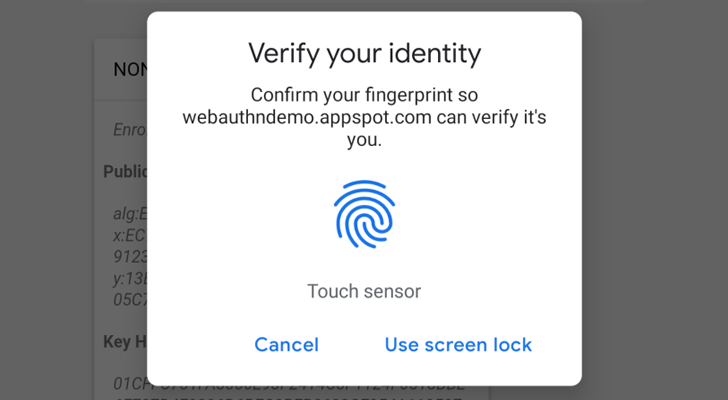
Web Authencation API (WebAuthn) is state-of-the art techology that is expected to replace passwords.
|
||||
|
||||
|
||||

|
||||
|
||||
For FIDO2, the following are supported
|
||||
* **security keys** (Firefox 60+, Chrome 67+, Edge 18+, Safari 13 on Mac OS, Chrome on Andriod, Safari on iOS 13.3+),
|
||||
* **Windows Hello** (Firefox 67+, Chrome 72+ , Edge) ,
|
||||
* **Apple's Touch ID/Face ID** (Chrome 70+ on Mac OS X, Safari on macOS Big Sur, Safari on iOS 14.0+ ),
|
||||
* **Apple's Touch ID** (Chrome 70+ on Mac OS X ),
|
||||
* **android-safetynet** (Chrome 70+, Firefox 68+)
|
||||
* **NFC devices using PCSC** (Not Tested, but as supported in fido2)
|
||||
* **Soft Tokens**
|
||||
* [krypt.co](https://krypt.co/): Login by a notification on your phone.
|
||||
|
||||
In English :), It allows you to verify the user by security keys on PC, Laptops or Mobiles, Windows Hello (Fingerprint, PIN) on Windows 10 Build 1903+ (May 2019 Update) Touch/Face ID on Macbooks (Chrome, Safari), Touch/Face ID on iPhone and iPad and Fingerprint/Face/Iris/PIN on Android Phones.
|
||||
In English :), It allows you to verify the user by security keys on PC, Laptops or Mobiles, Windows Hello (Fingerprint, PIN) on Windows 10 Build 1903+ (May 2019 Update) Touch ID on Macbooks (Chrome) and Fingerprint/Face/Iris/PIN on Andriod Phones.
|
||||
|
||||
Trusted device is a mode for the user to add a device that doesn't support security keys like Android without fingerprints or NFC.
|
||||
Trusted device is a mode for the user to add a device that doesn't support security keys like iOS and andriod without fingerprints or NFC.
|
||||
|
||||
**Note**: `U2F and FIDO2 can only be served under secure context (https)`
|
||||
|
||||
Package tested with Django 1.8, Django 2.2 on Python 2.7 and Python 3.5+ but it was not checked with any version in between but open for issues.
|
||||
Package tested with Django 1.8, Django 2.1 on Python 2.7 and Python 3.5+ but it was not checked with any version in between but open for issues.
|
||||
|
||||
Depends on
|
||||
|
||||
@@ -38,23 +29,11 @@ Depends on
|
||||
* ua-parser
|
||||
* user-agents
|
||||
* python-jose
|
||||
* fido2==0.9.0
|
||||
* fido2==0.7
|
||||
|
||||
|
||||
# Installation
|
||||
1. using pip
|
||||
|
||||
`pip install django-mfa2`
|
||||
2. Using Conda forge
|
||||
|
||||
`conda config --add channels conda-forge`
|
||||
|
||||
`conda install django-mfa2`
|
||||
|
||||
For more info, see the conda-forge repo (https://github.com/conda-forge/django-mfa2-feedstock)
|
||||
|
||||
Thanks for [swainn](https://github.com/swainn) for adding package to conda-forge
|
||||
|
||||
# Usage
|
||||
1. `pip install django-mfa2`
|
||||
1. in your settings.py add the application to your installed apps
|
||||
```python
|
||||
INSTALLED_APPS=(
|
||||
@@ -62,22 +41,19 @@ Depends on
|
||||
'mfa',
|
||||
'......')
|
||||
```
|
||||
2. Collect Static Files
|
||||
1. Collect Static Files
|
||||
`python manage.py collectstatic`
|
||||
3. Add the following settings to your file
|
||||
1. Add the following settings to your file
|
||||
|
||||
```python
|
||||
MFA_UNALLOWED_METHODS=() # Methods that shouldn't be allowed for the user
|
||||
MFA_LOGIN_CALLBACK="" # A function that should be called by username to login the user in session
|
||||
MFA_RECHECK=True # Allow random rechecking of the user
|
||||
MFA_REDIRECT_AFTER_REGISTRATION="mfa_home" # Allows Changing the page after successful registeration
|
||||
MFA_SUCCESS_REGISTRATION_MSG = "Go to Security Home" # The text of the link
|
||||
MFA_RECHECK_MIN=10 # Minimum interval in seconds
|
||||
MFA_RECHECK_MAX=30 # Maximum in seconds
|
||||
MFA_QUICKLOGIN=True # Allow quick login for returning users by provide only their 2FA
|
||||
MFA_RESIDENT_KEY = None # Use Resident Key (Only supported in Chromimum based browsers)
|
||||
MFA_HIDE_DISABLE=('FIDO2',) # Can the user disable his key (Added in 1.2.0).
|
||||
MFA_OWNED_BY_ENTERPRISE = FALSE # Who owns security keys
|
||||
MFA_OWNED_BY_ENTERPRISE = FALSE # Who ownes security keys
|
||||
|
||||
TOKEN_ISSUER_NAME="PROJECT_NAME" #TOTP Issuer name
|
||||
|
||||
@@ -96,9 +72,7 @@ Depends on
|
||||
**Notes**:
|
||||
* Starting version 1.1, ~~FIDO_LOGIN_URL~~ isn't required for FIDO2 anymore.
|
||||
* Starting version 1.7.0, Key owners can be specified.
|
||||
* Starting version 2.2.0
|
||||
* Added: `MFA_SUCCESS_REGISTRATION_MSG` & `MFA_REDIRECT_AFTER_REGISTRATION`
|
||||
4. Break your login function
|
||||
1. Break your login function
|
||||
|
||||
Usually your login function will check for username and password, log the user in if the username and password are correct and create the user session, to support mfa, this has to change
|
||||
|
||||
@@ -118,7 +92,7 @@ Depends on
|
||||
return log_user_in(request,username=user.username)
|
||||
#log_user_in is a function that handles creatung user session, it should be in the setting file as MFA_CALLBACK
|
||||
```
|
||||
5. Add mfa to urls.py
|
||||
1. Add mfa to urls.py
|
||||
```python
|
||||
import mfa
|
||||
import mfa.TrustedDevice
|
||||
@@ -129,15 +103,14 @@ Depends on
|
||||
'....',
|
||||
]
|
||||
```
|
||||
6. Provide `mfa_auth_base.html` in your templates with block called 'head' and 'content', The template will be included during the user login, the template shall be close to the login template.
|
||||
1. Provide `mfa_auth_base.html` in your templaes with block called 'head' and 'content'
|
||||
The template will be included during the user login.
|
||||
If you will use Email Token method, then you have to provide template named `mfa_email_token_template.html` that will content the format of the email with parameter named `user` and `otp`.
|
||||
7. To match the look and feel of your project, MFA includes `base.html` but it needs blocks named `head` & `content` to added its content to it.
|
||||
**Note:** Starting v2.3.0, a new template `mfa_base.html` is introduced, this template is used by `MFA.html` so you can control the styling better and current `mfa_base.html` extends `base.html`
|
||||
8. Somewhere in your app, add a link to 'mfa_home'
|
||||
1. To match the look and feel of your project, MFA includes `base.html` but it needs blocks named `head` & `content` to added its content to it.
|
||||
1. Somewhere in your app, add a link to 'mfa_home'
|
||||
```<li><a href="{% url 'mfa_home' %}">Security</a> </li>```
|
||||
|
||||
|
||||
For Example, See 'example' app
|
||||
For Example, See https://github.com/mkalioby/AutoDeploy/commit/5f1d94b1804e0aa33c79e9e8530ce849d9eb78cc in AutDeploy Project
|
||||
|
||||
# Going Passwordless
|
||||
|
||||
@@ -183,12 +156,3 @@ function some_func() {
|
||||
# Contributors
|
||||
* [mahmoodnasr](https://github.com/mahmoodnasr)
|
||||
* [d3cline](https://github.com/d3cline)
|
||||
* [swainn](https://github.com/swainn)
|
||||
* [unramk](https://github.com/unramk)
|
||||
* [willingham](https://github.com/willingham)
|
||||
* [AndreasDickow](https://github.com/AndreasDickow)
|
||||
* [mnelson4](https://github.com/mnelson4)
|
||||
|
||||
|
||||
# Security contact information
|
||||
To report a security vulnerability, please use the [Tidelift security contact](https://tidelift.com/security). Tidelift will coordinate the fix and disclosure.
|
||||
|
||||
@@ -9,7 +9,7 @@ Usually your login function will check for username and password, log the user i
|
||||
* if user has mfa then redirect to mfa page
|
||||
* if user doesn't have mfa then call your function to create the user session
|
||||
|
||||
```python
|
||||
<code>
|
||||
def login(request): # this function handles the login form POST
|
||||
user = auth.authenticate(username=username, password=password)
|
||||
if user is not None: # if the user object exist
|
||||
@@ -19,5 +19,5 @@ def login(request): # this function handles the login form POST
|
||||
return res
|
||||
return log_user_in(request,username=user.username)
|
||||
#log_user_in is a function that handles creatung user session, it should be in the setting file as MFA_CALLBACK
|
||||
```
|
||||
</code>
|
||||
|
||||
|
||||
@@ -3,7 +3,6 @@ from django.http import HttpResponseRedirect
|
||||
from django.urls import reverse
|
||||
from django.contrib.auth import authenticate,login,logout
|
||||
from django.contrib.auth.models import User
|
||||
|
||||
def loginView(request):
|
||||
context={}
|
||||
if request.method=="POST":
|
||||
|
||||
@@ -25,7 +25,7 @@ SECRET_KEY = '#9)q!_i3@pr-^3oda(e^3$x!kq3b4f33#5l@+=+&vuz+p6gb3g'
|
||||
# SECURITY WARNING: don't run with debug turned on in production!
|
||||
DEBUG = True
|
||||
|
||||
ALLOWED_HOSTS = ['*']
|
||||
ALLOWED_HOSTS = []
|
||||
|
||||
|
||||
# Application definition
|
||||
@@ -78,7 +78,7 @@ WSGI_APPLICATION = 'example.wsgi.application'
|
||||
DATABASES = {
|
||||
'default': {
|
||||
'ENGINE': 'django.db.backends.sqlite3',
|
||||
'NAME': 'test_db',
|
||||
'NAME': os.path.join(BASE_DIR, 'db.sqlite3'),
|
||||
}
|
||||
}
|
||||
|
||||
@@ -139,13 +139,10 @@ MFA_RECHECK=True # Allow random rechecking of the user
|
||||
MFA_RECHECK_MIN=10 # Minimum interval in seconds
|
||||
MFA_RECHECK_MAX=30 # Maximum in seconds
|
||||
MFA_QUICKLOGIN=True # Allow quick login for returning users by provide only their 2FA
|
||||
MFA_HIDE_DISABLE=('',) # Can the user disable his key (Added in 1.2.0).
|
||||
MFA_REDIRECT_AFTER_REGISTRATION="registered"
|
||||
MFA_SUCCESS_REGISTRATION_MSG="Go to Home"
|
||||
MFA_RESIDENT_KEY = True
|
||||
MFA_HIDE_DISABLE=('FIDO2',) # Can the user disable his key (Added in 1.2.0).
|
||||
|
||||
TOKEN_ISSUER_NAME="PROJECT_NAME" #TOTP Issuer name
|
||||
|
||||
U2F_APPID="https://localhost" #URL For U2F
|
||||
FIDO_SERVER_ID=u"localhost" # Server rp id for FIDO2, it the full domain of your project
|
||||
FIDO_SERVER_NAME=u"TestApp"
|
||||
FIDO_SERVER_NAME=u"PROJECT_NAME"
|
||||
|
||||
@@ -12,9 +12,6 @@
|
||||
</ol>
|
||||
|
||||
<!-- Page Content -->
|
||||
{% if registered %}
|
||||
<div class="alert alert-success">Registered Successfully</div>
|
||||
{% endif %}
|
||||
<h1>Welcome {{ request.user.username }}!</h1>
|
||||
<hr>
|
||||
|
||||
|
||||
@@ -45,10 +45,6 @@
|
||||
</div>
|
||||
|
||||
<button class="btn btn-primary btn-block" type="submit">Login</button>
|
||||
<br/>
|
||||
OR
|
||||
<br/>
|
||||
<a href="{% url 'fido2_auth' %}"><button class="btn btn-primary btn-block" type="button">Login By Security Key</button></a>
|
||||
</form>
|
||||
</div>
|
||||
</div>
|
||||
|
||||
@@ -28,7 +28,6 @@
|
||||
<div class="card-header">Login</div>
|
||||
<div class="card-body">
|
||||
{% block content %}
|
||||
|
||||
{% endblock %}
|
||||
</div>
|
||||
</div>
|
||||
|
||||
@@ -22,6 +22,5 @@ urlpatterns = [
|
||||
path('auth/login',auth.loginView,name="login"),
|
||||
path('auth/logout',auth.logoutView,name="logout"),
|
||||
|
||||
re_path('^$',views.home,name='home'),
|
||||
path('registered/',views.registered,name='registered')
|
||||
re_path('^$',views.home,name='home')
|
||||
]
|
||||
|
||||
@@ -5,7 +5,3 @@ from django.contrib.auth.decorators import login_required
|
||||
@login_required()
|
||||
def home(request):
|
||||
return render(request,"home.html",{})
|
||||
|
||||
@login_required()
|
||||
def registered(request):
|
||||
return render(request,"home.html",{"registered":True})
|
||||
|
||||
@@ -1,2 +1,2 @@
|
||||
django >= 2.2
|
||||
django_ssl
|
||||
django==2.0
|
||||
django-sslserver
|
||||
|
||||
@@ -1,19 +1,8 @@
|
||||
from django.conf import settings
|
||||
from django.core.mail import EmailMessage
|
||||
try:
|
||||
from django.urls import reverse
|
||||
except:
|
||||
from django.core.urlresolver import reverse
|
||||
|
||||
def send(to,subject,body):
|
||||
from_email_address = settings.EMAIL_HOST_USER
|
||||
if '@' not in from_email_address:
|
||||
from_email_address = settings.DEFAULT_FROM_EMAIL
|
||||
From = "%s <%s>" % (settings.EMAIL_FROM, from_email_address)
|
||||
From = "%s <%s>" % (settings.EMAIL_FROM, settings.EMAIL_HOST_USER)
|
||||
email = EmailMessage(subject,body,From,to)
|
||||
email.content_subtype = "html"
|
||||
return email.send(False)
|
||||
|
||||
def get_redirect_url():
|
||||
return {"redirect_html": reverse(getattr(settings, 'MFA_REDIRECT_AFTER_REGISTRATION', 'mfa_home')),
|
||||
"reg_success_msg":getattr(settings,"MFA_SUCCESS_REGISTRATION_MSG")}
|
||||
|
||||
19
mfa/Email.py
19
mfa/Email.py
@@ -1,5 +1,4 @@
|
||||
from django.shortcuts import render
|
||||
from django.views.decorators.cache import never_cache
|
||||
from django.template.context_processors import csrf
|
||||
import datetime,random
|
||||
from random import randint
|
||||
@@ -7,23 +6,19 @@ from .models import *
|
||||
#from django.template.context import RequestContext
|
||||
from .views import login
|
||||
from .Common import send
|
||||
|
||||
def sendEmail(request,username,secret):
|
||||
"""Send Email to the user after rendering `mfa_email_token_template`"""
|
||||
from django.contrib.auth import get_user_model
|
||||
User = get_user_model()
|
||||
key = getattr(User, 'USERNAME_FIELD', 'username')
|
||||
kwargs = {key: username}
|
||||
user = User.objects.get(**kwargs)
|
||||
res=render(request,"mfa_email_token_template.html",{"request":request,"user":user,'otp':secret})
|
||||
return send([user.email],"OTP", res.content.decode())
|
||||
return send([user.email],"OTP", str(res.content))
|
||||
|
||||
@never_cache
|
||||
def start(request):
|
||||
"""Start adding email as a 2nd factor"""
|
||||
context = csrf(request)
|
||||
if request.method == "POST":
|
||||
if request.session["email_secret"] == request.POST["otp"]: #if successful
|
||||
if request.session["email_secret"] == request.POST["otp"]:
|
||||
uk=User_Keys()
|
||||
uk.username=request.user.username
|
||||
uk.key_type="Email"
|
||||
@@ -34,24 +29,22 @@ def start(request):
|
||||
from django.core.urlresolvers import reverse
|
||||
except:
|
||||
from django.urls import reverse
|
||||
return HttpResponseRedirect(reverse(getattr(settings,'MFA_REDIRECT_AFTER_REGISTRATION','mfa_home')))
|
||||
return HttpResponseRedirect(reverse('mfa_home'))
|
||||
context["invalid"] = True
|
||||
else:
|
||||
request.session["email_secret"] = str(randint(0,100000)) #generate a random integer
|
||||
request.session["email_secret"] = str(randint(0,100000))
|
||||
if sendEmail(request, request.user.username, request.session["email_secret"]):
|
||||
context["sent"] = True
|
||||
return render(request,"Email/Add.html", context)
|
||||
@never_cache
|
||||
def auth(request):
|
||||
"""Authenticating the user by email."""
|
||||
context=csrf(request)
|
||||
if request.method=="POST":
|
||||
if request.session["email_secret"]==request.POST["otp"].strip():
|
||||
uk = User_Keys.objects.get(username=request.session["base_username"], key_type="Email")
|
||||
mfa = {"verified": True, "method": "Email","id":uk.id}
|
||||
if getattr(settings, "MFA_RECHECK", False):
|
||||
mfa["next_check"] = datetime.datetime.timestamp(datetime.datetime.now() + datetime.timedelta(
|
||||
seconds = random.randint(settings.MFA_RECHECK_MIN, settings.MFA_RECHECK_MAX)))
|
||||
mfa["next_check"] = int((datetime.datetime.now() + datetime.timedelta(
|
||||
seconds = random.randint(settings.MFA_RECHECK_MIN, settings.MFA_RECHECK_MAX))).strftime("%s"))
|
||||
request.session["mfa"] = mfa
|
||||
|
||||
from django.utils import timezone
|
||||
|
||||
58
mfa/FIDO2.py
58
mfa/FIDO2.py
@@ -1,5 +1,5 @@
|
||||
from fido2.client import ClientData
|
||||
from fido2.server import Fido2Server, PublicKeyCredentialRpEntity
|
||||
from fido2.server import Fido2Server, RelyingParty
|
||||
from fido2.ctap2 import AttestationObject, AuthenticatorData
|
||||
from django.template.context_processors import csrf
|
||||
from django.views.decorators.csrf import csrf_exempt
|
||||
@@ -14,12 +14,9 @@ from fido2.utils import websafe_decode, websafe_encode
|
||||
from fido2.ctap2 import AttestedCredentialData
|
||||
from .views import login,reset_cookie
|
||||
import datetime
|
||||
from .Common import get_redirect_url
|
||||
from django.utils import timezone
|
||||
|
||||
|
||||
def recheck(request):
|
||||
"""Starts FIDO2 recheck"""
|
||||
context = csrf(request)
|
||||
context["mode"]="recheck"
|
||||
request.session["mfa_recheck"]=True
|
||||
@@ -27,27 +24,20 @@ def recheck(request):
|
||||
|
||||
|
||||
def getServer():
|
||||
"""Get Server Info from settings and returns a Fido2Server"""
|
||||
rp = PublicKeyCredentialRpEntity(settings.FIDO_SERVER_ID, settings.FIDO_SERVER_NAME)
|
||||
rp = RelyingParty(settings.FIDO_SERVER_ID, settings.FIDO_SERVER_NAME)
|
||||
return Fido2Server(rp)
|
||||
|
||||
|
||||
def begin_registeration(request):
|
||||
"""Starts registering a new FIDO Device, called from API"""
|
||||
server = getServer()
|
||||
registration_data, state = server.register_begin({
|
||||
u'id': request.user.username.encode("utf8"),
|
||||
u'name': (request.user.first_name + " " + request.user.last_name),
|
||||
u'displayName': request.user.username,
|
||||
}, getUserCredentials(request.user.username),resident_key=getattr(settings,'MFA_RESIDENT_KEY',None))
|
||||
}, getUserCredentials(request.user.username))
|
||||
request.session['fido_state'] = state
|
||||
|
||||
return HttpResponse(cbor.encode(registration_data),content_type='application/octet-stream')
|
||||
|
||||
|
||||
@csrf_exempt
|
||||
def complete_reg(request):
|
||||
"""Completes the registeration, called by API"""
|
||||
try:
|
||||
data = cbor.decode(request.body)
|
||||
|
||||
@@ -63,8 +53,6 @@ def complete_reg(request):
|
||||
uk=User_Keys()
|
||||
uk.username = request.user.username
|
||||
uk.properties = {"device":encoded,"type":att_obj.fmt,}
|
||||
if data.get('userHandle'):
|
||||
uk.properties["userHandle"] = data['userHandle']
|
||||
uk.owned_by_enterprise=getattr(settings,"MFA_OWNED_BY_ENTERPRISE",False)
|
||||
uk.key_type = "FIDO2"
|
||||
uk.save()
|
||||
@@ -76,61 +64,38 @@ def complete_reg(request):
|
||||
except:
|
||||
pass
|
||||
return HttpResponse(simplejson.dumps({'status': 'ERR',"message":"Error on server, please try again later"}))
|
||||
|
||||
|
||||
def start(request):
|
||||
"""Start Registeration a new FIDO Token"""
|
||||
context = csrf(request)
|
||||
context.update(get_redirect_url())
|
||||
return render(request,"FIDO2/Add.html", context)
|
||||
|
||||
|
||||
def getUserCredentials(username):
|
||||
credentials = []
|
||||
for uk in User_Keys.objects.filter(username = username, key_type = "FIDO2"):
|
||||
credentials.append(AttestedCredentialData(websafe_decode(uk.properties["device"])))
|
||||
return credentials
|
||||
|
||||
|
||||
def auth(request):
|
||||
context=csrf(request)
|
||||
return render(request,"FIDO2/Auth.html",context)
|
||||
|
||||
|
||||
def authenticate_begin(request):
|
||||
server = getServer()
|
||||
credentials=None
|
||||
if not getattr(settings,'MFA_RESIDENT_KEY',None):
|
||||
credentials=getUserCredentials(request.session.get("base_username",request.user.username))
|
||||
auth_data, state = server.authenticate_begin(credentials)
|
||||
request.session['fido_state'] = state
|
||||
return HttpResponse(cbor.encode(auth_data),content_type="application/octet-stream")
|
||||
|
||||
|
||||
@csrf_exempt
|
||||
def authenticate_complete(request):
|
||||
try:
|
||||
credentials = []
|
||||
data = cbor.decode(request.body)
|
||||
|
||||
if data.get("userHandle"):
|
||||
keys = User_Keys.objects.filter(key_type="FIDO2", properties__icontains='"userHandle": "%s"'%data["userHandle"])
|
||||
if keys.count()==1:
|
||||
username = keys[0].username
|
||||
request.session["base_username"]=username
|
||||
request.session.update = 1
|
||||
|
||||
else:
|
||||
username=request.session.get("base_username",request.user.username)
|
||||
|
||||
|
||||
server=getServer()
|
||||
credentials=getUserCredentials(username)
|
||||
auth_data = AuthenticatorData(data['authenticatorData'])
|
||||
|
||||
data = cbor.decode(request.body)
|
||||
credential_id = data['credentialId']
|
||||
client_data = ClientData(data['clientDataJSON'])
|
||||
|
||||
auth_data = AuthenticatorData(data['authenticatorData'])
|
||||
signature = data['signature']
|
||||
try:
|
||||
cred = server.authenticate_complete(
|
||||
@@ -142,8 +107,7 @@ def authenticate_complete(request):
|
||||
signature
|
||||
)
|
||||
except ValueError:
|
||||
return HttpResponse(simplejson.dumps({'status': "ERR",
|
||||
"message": "Wrong challenge received, make sure that this is your security and try again."}),
|
||||
return HttpResponse(simplejson.dumps({'status': "ERR", "message": "Wrong challenge received, make sure that this is your security and try again."}),
|
||||
content_type = "application/json")
|
||||
except Exception as excep:
|
||||
try:
|
||||
@@ -169,8 +133,8 @@ def authenticate_complete(request):
|
||||
k.save()
|
||||
mfa = {"verified": True, "method": "FIDO2",'id':k.id}
|
||||
if getattr(settings, "MFA_RECHECK", False):
|
||||
mfa["next_check"] = datetime.datetime.timestamp((datetime.datetime.now() + datetime.timedelta(
|
||||
seconds = random.randint(settings.MFA_RECHECK_MIN, settings.MFA_RECHECK_MAX))))
|
||||
mfa["next_check"] = int((datetime.datetime.now()+ datetime.timedelta(
|
||||
seconds=random.randint(settings.MFA_RECHECK_MIN, settings.MFA_RECHECK_MAX))).strftime("%s"))
|
||||
request.session["mfa"] = mfa
|
||||
try:
|
||||
authenticated=request.user.is_authenticated
|
||||
@@ -179,10 +143,8 @@ def authenticate_complete(request):
|
||||
if not authenticated:
|
||||
res=login(request)
|
||||
if not "location" in res: return reset_cookie(request)
|
||||
return HttpResponse(simplejson.dumps({'status': "OK", "redirect": res["location"]}),
|
||||
content_type = "application/json")
|
||||
return HttpResponse(simplejson.dumps({'status':"OK","redirect":res["location"]}),content_type="application/json")
|
||||
return HttpResponse(simplejson.dumps({'status': "OK"}),
|
||||
content_type = "application/json")
|
||||
except Exception as exp:
|
||||
return HttpResponse(simplejson.dumps({'status': "ERR", "message": exp.message}),
|
||||
content_type = "application/json")
|
||||
return HttpResponse(simplejson.dumps({'status': "ERR","message":exp.message}),content_type="application/json")
|
||||
|
||||
@@ -12,7 +12,6 @@ from django.conf import settings
|
||||
from django.http import HttpResponse
|
||||
from .models import *
|
||||
from .views import login
|
||||
from .Common import get_redirect_url
|
||||
import datetime
|
||||
from django.utils import timezone
|
||||
|
||||
@@ -58,9 +57,9 @@ def validate(request,username):
|
||||
key.save()
|
||||
mfa = {"verified": True, "method": "U2F","id":key.id}
|
||||
if getattr(settings, "MFA_RECHECK", False):
|
||||
mfa["next_check"] = datetime.datetime.timestamp((datetime.datetime.now()
|
||||
mfa["next_check"] = int((datetime.datetime.now()
|
||||
+ datetime.timedelta(
|
||||
seconds=random.randint(settings.MFA_RECHECK_MIN, settings.MFA_RECHECK_MAX))))
|
||||
seconds=random.randint(settings.MFA_RECHECK_MIN, settings.MFA_RECHECK_MAX))).strftime("%s"))
|
||||
request.session["mfa"] = mfa
|
||||
return True
|
||||
|
||||
@@ -77,7 +76,6 @@ def start(request):
|
||||
request.session['_u2f_enroll_'] = enroll.json
|
||||
context=csrf(request)
|
||||
context["token"]=simplejson.dumps(enroll.data_for_client)
|
||||
context.update(get_redirect_url())
|
||||
return render(request,"U2F/Add.html",context)
|
||||
|
||||
|
||||
|
||||
@@ -1 +1 @@
|
||||
__version__="2.2.0"
|
||||
__version__="1.6.0"
|
||||
|
||||
@@ -4,12 +4,6 @@ from __future__ import unicode_literals
|
||||
from django.db import models, migrations
|
||||
from django.conf import settings
|
||||
|
||||
|
||||
def update_owned_by_enterprise(apps, schema_editor):
|
||||
user_keys = apps.get_model('mfa', 'user_keys')
|
||||
user_keys.objects.filter(key_type='FIDO2').update(owned_by_enterprise=getattr(settings,"MFA_OWNED_BY_ENTERPRISE",False))
|
||||
|
||||
|
||||
class Migration(migrations.Migration):
|
||||
|
||||
dependencies = [
|
||||
@@ -22,5 +16,5 @@ class Migration(migrations.Migration):
|
||||
name='owned_by_enterprise',
|
||||
field=models.NullBooleanField(default=None),
|
||||
),
|
||||
migrations.RunPython(update_owned_by_enterprise)
|
||||
migrations.RunSQL("update mfa_user_keys set owned_by_enterprise = %s where key_type='FIDO2'"%(True if getattr(settings,"MFA_OWNED_BY_ENTERPRISE",False) else False ))
|
||||
]
|
||||
|
||||
@@ -1,18 +0,0 @@
|
||||
# Generated by Django 2.0 on 2020-11-10 05:57
|
||||
|
||||
from django.db import migrations, models
|
||||
|
||||
|
||||
class Migration(migrations.Migration):
|
||||
|
||||
dependencies = [
|
||||
('mfa', '0009_user_keys_owned_by_enterprise'),
|
||||
]
|
||||
|
||||
operations = [
|
||||
migrations.AlterField(
|
||||
model_name='user_keys',
|
||||
name='key_type',
|
||||
field=models.CharField(default='TOTP', max_length=25),
|
||||
),
|
||||
]
|
||||
@@ -1,18 +0,0 @@
|
||||
# Generated by Django 2.2 on 2021-05-30 06:22
|
||||
|
||||
from django.db import migrations, models
|
||||
|
||||
|
||||
class Migration(migrations.Migration):
|
||||
|
||||
dependencies = [
|
||||
('mfa', '0010_auto_20201110_0557'),
|
||||
]
|
||||
|
||||
operations = [
|
||||
migrations.AlterField(
|
||||
model_name='user_keys',
|
||||
name='owned_by_enterprise',
|
||||
field=models.BooleanField(blank=True, default=None, null=True),
|
||||
),
|
||||
]
|
||||
@@ -2,10 +2,8 @@ from django.db import models
|
||||
from jsonfield import JSONField
|
||||
from jose import jwt
|
||||
from django.conf import settings
|
||||
#from jsonLookup import shasLookup, hasLookup
|
||||
# JSONField.register_lookup(shasLookup)
|
||||
# JSONField.register_lookup(hasLookup)
|
||||
|
||||
from jsonLookup import shasLookup
|
||||
JSONField.register_lookup(shasLookup)
|
||||
|
||||
class User_Keys(models.Model):
|
||||
username=models.CharField(max_length = 50)
|
||||
@@ -15,18 +13,15 @@ class User_Keys(models.Model):
|
||||
enabled=models.BooleanField(default=True)
|
||||
expires=models.DateTimeField(null=True,default=None,blank=True)
|
||||
last_used=models.DateTimeField(null=True,default=None,blank=True)
|
||||
owned_by_enterprise=models.BooleanField(default=None,null=True,blank=True)
|
||||
owned_by_enterprise=models.NullBooleanField(default=None,null=True,blank=True)
|
||||
|
||||
def save(self, force_insert=False, force_update=False, using=None, update_fields=None):
|
||||
if self.key_type == "Trusted Device" and self.properties.get("signature","") == "":
|
||||
self.properties["signature"]= jwt.encode({"username": self.username, "key": self.properties["key"]}, settings.SECRET_KEY)
|
||||
super(User_Keys, self).save(force_insert=force_insert, force_update=force_update, using=using, update_fields=update_fields)
|
||||
|
||||
def __unicode__(self):
|
||||
return "%s -- %s"%(self.username,self.key_type)
|
||||
|
||||
def __str__(self):
|
||||
return self.__unicode__()
|
||||
|
||||
class Meta:
|
||||
app_label='mfa'
|
||||
@@ -4,13 +4,16 @@
|
||||
{% block content %}
|
||||
<br/>
|
||||
<br/>
|
||||
<div class="container">
|
||||
|
||||
<div class="panel panel-default">
|
||||
<div class="panel-heading">
|
||||
<strong> Activate Token by email</strong>
|
||||
</div>
|
||||
<div class="panel-body">
|
||||
|
||||
<FORM METHOD="POST" ACTION="{% url 'start_email' %}" Id="formLogin" onSubmit="" name="FrontPage_Form1">
|
||||
|
||||
|
||||
{% csrf_token %}
|
||||
{% if invalid %}
|
||||
<div class="alert alert-danger">
|
||||
@@ -25,9 +28,10 @@
|
||||
<fieldset>
|
||||
<div class="row">
|
||||
<div class="col-sm-12 col-md-12">
|
||||
<p>Enter the code sent to your email.</p>
|
||||
<p>Enter the 6-digits sent to your email.</p>
|
||||
</div>
|
||||
</div>
|
||||
|
||||
<div class="row">
|
||||
<div class="col-sm-12 col-md-12">
|
||||
<div class="form-group">
|
||||
@@ -36,16 +40,16 @@
|
||||
<i class="glyphicon glyphicon-lock"></i>
|
||||
</span>
|
||||
<input class="form-control" size="6" MaxLength="6" value="" placeholder="e.g 55552" name="otp" type="text" id="otp" autofocus>
|
||||
|
||||
</div>
|
||||
</div>
|
||||
|
||||
<div class="form-group">
|
||||
|
||||
<input type="submit" class="btn btn-lg btn-success btn-block" value="Verify">
|
||||
</div>
|
||||
</div>
|
||||
</div>
|
||||
</fieldset>
|
||||
</FORM>
|
||||
</div>
|
||||
</div>
|
||||
</div>
|
||||
{% endblock %}
|
||||
@@ -39,7 +39,7 @@
|
||||
<fieldset>
|
||||
<div class="row">
|
||||
<div class="col-sm-12 col-md-12">
|
||||
<p>Enter the code sent to your email.</p>
|
||||
<p>Enter the 6-digits sent to your email.</p>
|
||||
</div>
|
||||
</div>
|
||||
|
||||
|
||||
@@ -17,12 +17,10 @@
|
||||
|
||||
return navigator.credentials.create(options);
|
||||
}).then(function(attestation) {
|
||||
console.log(attestation)
|
||||
return fetch('{% url 'fido2_complete_reg' %}', {
|
||||
method: 'POST',
|
||||
headers: {'Content-Type': 'application/cbor'},
|
||||
body: CBOR.encode({
|
||||
"userHandle":attestation.id,
|
||||
"attestationObject": new Uint8Array(attestation.response.attestationObject),
|
||||
"clientDataJSON": new Uint8Array(attestation.response.clientDataJSON),
|
||||
})
|
||||
@@ -34,20 +32,20 @@
|
||||
}).then(function (res)
|
||||
{
|
||||
if (res["status"] =='OK')
|
||||
$("#res").html("<div class='alert alert-success'>Registered Successfully, <a href='{{redirect_html}}'> {{reg_success_msg}}</a></div>")
|
||||
$("#res").html("<div class='alert alert-success'>Registered Successfully, <a href='{% url 'mfa_home' %}'> Go to Security Home</a></div>")
|
||||
else
|
||||
$("#res").html("<div class='alert alert-danger'>Registration Failed as " + res["message"] + ", <a href='javascript:void(0)' onclick='begin_reg()'> try again or <a href='{% url 'mfa_home' %}'> Go to Security Home</a></div>")
|
||||
$("#res").html("<div class='alert alert-danger'>Registeration Failed as " + res["message"] + ", <a href='javascript:void(0)' onclick='begin_reg()'> try again or <a href='{% url 'mfa_home' %}'> Go to Security Home</a></div>")
|
||||
|
||||
|
||||
}, function(reason) {
|
||||
$("#res").html("<div class='alert alert-danger'>Registration Failed as " +reason +", <a href='javascript:void(0)' onclick='begin_reg()'> try again </a> or <a href='{% url 'mfa_home' %}'> Go to Security Home</a></div>")
|
||||
$("#res").html("<div class='alert alert-danger'>Registeration Failed as " +reason +", <a href='javascript:void(0)' onclick='begin_reg()'> try again </a> or <a href='{% url 'mfa_home' %}'> Go to Security Home</a></div>")
|
||||
})
|
||||
}
|
||||
$(document).ready(function (){
|
||||
ua=new UAParser().getResult()
|
||||
if (ua.browser.name == "Safari" || ua.browser.name == "Mobile Safari" )
|
||||
ua=new UAParser()
|
||||
if (ua.getBrowser().name == "Safari")
|
||||
{
|
||||
$("#res").html("<button class='btn btn-success' onclick='begin_reg()'>Start...</button>")
|
||||
$("#res").html("<button class='btn btn-primary' onclick='begin_reg()'>Start...</button>")
|
||||
}
|
||||
else
|
||||
{
|
||||
@@ -68,7 +66,7 @@
|
||||
<div class="panel-body">
|
||||
|
||||
|
||||
<div class="row alert alert-pr" id="res" align="center">
|
||||
<div class="row alert alert-pr" id="res">
|
||||
<p style="color: green">Your browser should ask you to confirm you identity.</p>
|
||||
|
||||
</div>
|
||||
|
||||
@@ -1,6 +1,6 @@
|
||||
{% load static %}
|
||||
<script type="application/javascript" src="{% static 'mfa/js/cbor.js' %}"></script>
|
||||
<script type="application/javascript" src="{% static 'mfa/js/ua-parser.min.js' %}"></script>
|
||||
<script type="application/javascript" src="{% static 'mfa/js/us-parser.min.js' %}"></script>
|
||||
<div class="row">
|
||||
|
||||
<div class="col-sm-10 col-sm-offset-1 col-xs-12 col-md-10 col-md-offset-1 col-lg-8 col-lg-offset-2">
|
||||
@@ -58,11 +58,8 @@
|
||||
}).then(CBOR.decode).then(function(options) {
|
||||
console.log(options)
|
||||
return navigator.credentials.get(options);
|
||||
|
||||
}).then(function(assertion) {
|
||||
console.log(assertion)
|
||||
res=CBOR.encode({
|
||||
"userHandle":assertion.id,
|
||||
"credentialId": new Uint8Array(assertion.rawId),
|
||||
"authenticatorData": new Uint8Array(assertion.response.authenticatorData),
|
||||
"clientDataJSON": new Uint8Array(assertion.response.clientDataJSON),
|
||||
@@ -107,8 +104,8 @@
|
||||
$("#main_paragraph").addClass("alert alert-danger")
|
||||
$("#main_paragraph").html("FIDO2 must work under secure context")
|
||||
} else {
|
||||
ua=new UAParser().getResult()
|
||||
if (ua.browser.name == "Safari" || ua.browser.name == "Mobile Safari" )
|
||||
ua=UAParser()
|
||||
if (ua.getBrowser().name == "Safari")
|
||||
$("#res").html("<button class='btn btn-success' onclick='authen()'>Authenticate...</button>")
|
||||
else
|
||||
authen()
|
||||
|
||||
@@ -1,7 +1,6 @@
|
||||
{% extends "mfa_base.html" %}
|
||||
{% extends "base.html" %}
|
||||
{% load static %}
|
||||
{% block head %}
|
||||
{{block.super}}
|
||||
<script type="text/javascript">
|
||||
function confirmDel(id) {
|
||||
$.ajax({
|
||||
@@ -40,7 +39,6 @@
|
||||
<script src="{% static 'mfa/js/bootstrap-toggle.min.js'%}"></script>
|
||||
{% endblock %}
|
||||
{% block content %}
|
||||
{{block.super}}
|
||||
<br/>
|
||||
<br/>
|
||||
<div class="container">
|
||||
@@ -68,7 +66,7 @@
|
||||
{% endif %}
|
||||
</ul>
|
||||
</div>
|
||||
</div>
|
||||
|
||||
<br/>
|
||||
<br/>
|
||||
<table class="table table-striped">
|
||||
|
||||
@@ -43,7 +43,7 @@
|
||||
else
|
||||
{
|
||||
alert("Your authenticator is added successfully.")
|
||||
window.location.href="{{ redirect_html }}"
|
||||
window.location.href="{% url 'mfa_home' %}"
|
||||
}
|
||||
}
|
||||
})
|
||||
@@ -70,7 +70,7 @@
|
||||
</div>
|
||||
<div class="row">
|
||||
|
||||
<p>Scan the image below with the two-factor authentication app on your <a href="javascript:void(0)" onclick="showTOTP()">phone/PC</a>. If you can’t use a barcode,
|
||||
<p>Scan the image below with the two-factor authentication app on your <a href="javascript:void(0)" onclick="showTOTP()">phone/PC</a> phone/PC. If you can’t use a barcode,
|
||||
<a href="javascript:void(0)" onclick="showKey()">enter this text</a> instead. </p>
|
||||
</div>
|
||||
|
||||
@@ -93,7 +93,7 @@
|
||||
<input style="display: inline;width: 95%" maxlength="6" size="6" class="form-control" id="answer" placeholder="e.g 785481"/>
|
||||
|
||||
</div>
|
||||
<div class="row" style="padding-top: 10px;">
|
||||
<div class="row">
|
||||
<div class="col-md-6" style="padding-left: 0px">
|
||||
<button class="btn btn-success" onclick="verify()">Enable</button>
|
||||
</div>
|
||||
|
||||
@@ -24,7 +24,7 @@
|
||||
if (data == "OK")
|
||||
{
|
||||
alert("Your device is added successfully.")
|
||||
window.location.href="{{ redirect_html }}"
|
||||
window.location.href="{% url 'mfa_home' %}"
|
||||
}
|
||||
}
|
||||
})
|
||||
|
||||
@@ -1,7 +0,0 @@
|
||||
{% extends 'base.html' %}
|
||||
{% block head %}
|
||||
{{ block.super }}
|
||||
{% endblock %}
|
||||
{% block content %}
|
||||
{{ block.super }}
|
||||
{% endblock %}
|
||||
11
mfa/totp.py
11
mfa/totp.py
@@ -1,7 +1,5 @@
|
||||
from django.shortcuts import render
|
||||
from django.views.decorators.cache import never_cache
|
||||
from django.http import HttpResponse
|
||||
from .Common import get_redirect_url
|
||||
from .models import *
|
||||
from django.template.context_processors import csrf
|
||||
import simplejson
|
||||
@@ -33,7 +31,6 @@ def recheck(request):
|
||||
return HttpResponse(simplejson.dumps({"recheck": False}), content_type="application/json")
|
||||
return render(request,"TOTP/recheck.html", context)
|
||||
|
||||
@never_cache
|
||||
def auth(request):
|
||||
context=csrf(request)
|
||||
if request.method=="POST":
|
||||
@@ -41,9 +38,9 @@ def auth(request):
|
||||
if res[0]:
|
||||
mfa = {"verified": True, "method": "TOTP","id":res[1]}
|
||||
if getattr(settings, "MFA_RECHECK", False):
|
||||
mfa["next_check"] = datetime.datetime.timestamp((datetime.datetime.now()
|
||||
mfa["next_check"] = int((datetime.datetime.now()
|
||||
+ datetime.timedelta(
|
||||
seconds=random.randint(settings.MFA_RECHECK_MIN, settings.MFA_RECHECK_MAX))))
|
||||
seconds=random.randint(settings.MFA_RECHECK_MIN, settings.MFA_RECHECK_MAX))).strftime("%s"))
|
||||
request.session["mfa"] = mfa
|
||||
return login(request)
|
||||
context["invalid"]=True
|
||||
@@ -71,7 +68,5 @@ def verify(request):
|
||||
return HttpResponse("Success")
|
||||
else: return HttpResponse("Error")
|
||||
|
||||
@never_cache
|
||||
def start(request):
|
||||
"""Start Adding Time One Time Password (TOTP)"""
|
||||
return render(request,"TOTP/Add.html",get_redirect_url())
|
||||
return render(request,"TOTP/Add.html",{})
|
||||
|
||||
@@ -1,4 +1,4 @@
|
||||
django >= 2.0
|
||||
django >= 1.7
|
||||
jsonfield
|
||||
simplejson
|
||||
pyotp
|
||||
@@ -6,5 +6,6 @@ python-u2flib-server
|
||||
ua-parser
|
||||
user-agents
|
||||
python-jose
|
||||
fido2 == 0.9.1
|
||||
fido2 == 0.7
|
||||
jsonLookup
|
||||
|
||||
|
||||
21
setup.py
21
setup.py
@@ -4,7 +4,7 @@ from setuptools import find_packages, setup
|
||||
|
||||
setup(
|
||||
name='django-mfa2',
|
||||
version='2.4.0',
|
||||
version='1.10.0,
|
||||
description='Allows user to add 2FA to their accounts',
|
||||
long_description=open("README.md").read(),
|
||||
long_description_content_type="text/markdown",
|
||||
@@ -16,7 +16,7 @@ setup(
|
||||
license='MIT',
|
||||
packages=find_packages(),
|
||||
install_requires=[
|
||||
'django >= 2.0',
|
||||
'django >= 1.7',
|
||||
'jsonfield',
|
||||
'simplejson',
|
||||
'pyotp',
|
||||
@@ -24,29 +24,32 @@ setup(
|
||||
'ua-parser',
|
||||
'user-agents',
|
||||
'python-jose',
|
||||
'fido2 == 0.9.2',
|
||||
'fido2 == 0.9',
|
||||
'jsonLookup'
|
||||
],
|
||||
python_requires=">=3.5",
|
||||
python_requires=">=2.7, !=3.0.*, !=3.1.*, !=3.2.*, !=3.3.*",
|
||||
include_package_data=True,
|
||||
zip_safe=False, # because we're including static files
|
||||
classifiers=[
|
||||
"Development Status :: 5 - Production/Stable",
|
||||
"Environment :: Web Environment",
|
||||
"Framework :: Django",
|
||||
"Framework :: Django :: 1.7",
|
||||
"Framework :: Django :: 1.8",
|
||||
"Framework :: Django :: 1.9",
|
||||
"Framework :: Django :: 1.10",
|
||||
"Framework :: Django :: 1.11",
|
||||
"Framework :: Django :: 2.0",
|
||||
"Framework :: Django :: 2.1",
|
||||
"Framework :: Django :: 2.2",
|
||||
"Framework :: Django :: 3.0",
|
||||
"Framework :: Django :: 3.1",
|
||||
"Intended Audience :: Developers",
|
||||
"Operating System :: OS Independent",
|
||||
"Programming Language :: Python",
|
||||
"Programming Language :: Python :: 2",
|
||||
"Programming Language :: Python :: 2.7",
|
||||
"Programming Language :: Python :: 3",
|
||||
"Programming Language :: Python :: 3.4",
|
||||
"Programming Language :: Python :: 3.5",
|
||||
"Programming Language :: Python :: 3.6",
|
||||
"Programming Language :: Python :: 3.7",
|
||||
"Programming Language :: Python :: 3.8",
|
||||
"Topic :: Software Development :: Libraries :: Python Modules",
|
||||
]
|
||||
)
|
||||
|
||||
Reference in New Issue
Block a user