Compare commits
10 Commits
| Author | SHA1 | Date | |
|---|---|---|---|

|
8fe3d4e496 | ||
|
|
263a5e2b8c | ||
|
|
2af838bfd3 | ||

|
ce6a224818 | ||
|
|
5e699aa66a | ||
|
|
bed70d7c22 | ||
|
|
ad4ee7f4d2 | ||
|
|
7efd3ccc38 | ||
|
|
6efd643022 | ||
|
|
b199c86993 |
23
README.md
23
README.md
@@ -1,12 +1,21 @@
|
||||
# django-mfa2
|
||||
A Django app that handles MFA, it supports TOTP, U2F, FIDO2 U2F (Web Authn), Email Tokens , and Trusted Devices
|
||||
|
||||
[](https://badge.fury.io/py/django-mfa2)
|
||||
|
||||
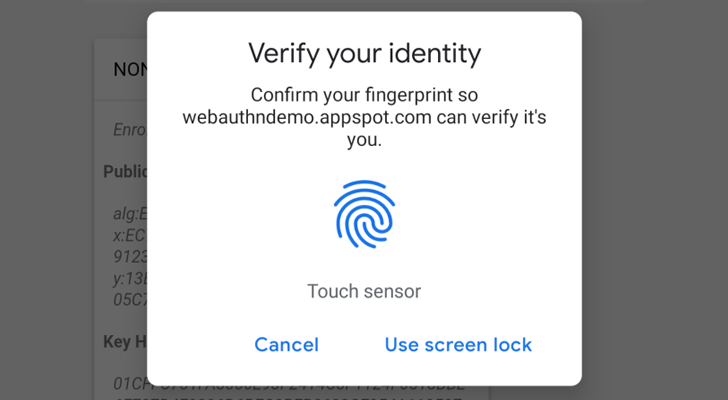
Web Authencation API (WebAuthn) is state-of-the art techology that is expected to replace passwords.
|
||||
|
||||
|
||||
|
||||
For FIDO2, both security keys and android-safetynet are supported.
|
||||
|
||||
In English :), It allows you to verify the user by security keys on PC, Laptops and Fingerprint/PIN on Andriod Phones.
|
||||
|
||||
Trusted device is a mode for the user to add a device that doesn't support security keys like iOS and andriod without fingerprints or NFC.
|
||||
|
||||
`**Note**: U2F and FIDO2 can only be served under secure context (https)`
|
||||
**Note**: `U2F and FIDO2 can only be served under secure context (https)`
|
||||
|
||||
Package tested with Django 1.8, Django 2.1 on Python 2.7 and Python 3.5+ but it was not checked with any version in between but open for issues.
|
||||
|
||||
Depends on
|
||||
|
||||
@@ -37,11 +46,11 @@ Depends on
|
||||
MFA_RECHECK_MAX=30 # Maximum in seconds
|
||||
MFA_QUICKLOGIN=True # Allow quick login for returning users by provide only their 2FA
|
||||
|
||||
TOKEN_ISSUER_NAME="MDL" #TOTP Issuer name
|
||||
TOKEN_ISSUER_NAME="PROJECT_NAME" #TOTP Issuer name
|
||||
|
||||
U2F_APPID="https://localhost" #URL For U2F
|
||||
FIDO_SERVER_ID=u"localhost" # Server rp id for FIDO2
|
||||
FIDO_SERVER_NAME=u"MDL"
|
||||
FIDO_SERVER_ID=u"localehost" # Server rp id for FIDO2, it the full domain of your project
|
||||
FIDO_SERVER_NAME=u"PROJECT_NAME"
|
||||
FIDO_LOGIN_URL=BASE_URL
|
||||
```
|
||||
**Method Names**
|
||||
@@ -51,6 +60,8 @@ Depends on
|
||||
* Trusted_Devices
|
||||
* Email
|
||||
|
||||
**Note**: Starting version 1.1, ~~FIDO_LOGIN_URL~~ isn't required for FIDO2 anymore.
|
||||
|
||||
1. Break your login function
|
||||
|
||||
Usually your login function will check for username and password, log the user in if the username and password are correct and create the user session, to support mfa, this has to change
|
||||
@@ -77,7 +88,7 @@ Depends on
|
||||
import mfa.TrustedDevice
|
||||
urls_patterns= [
|
||||
'...',
|
||||
url(r'^mfa/', include(mfa.urls)),
|
||||
url(r'^mfa/', include('mfa.urls')),
|
||||
url(r'devices/add$', mfa.TrustedDevice.add,name="mfa_add_new_trusted_device"), # This short link to add new trusted device
|
||||
'....',
|
||||
]
|
||||
@@ -87,6 +98,6 @@ Depends on
|
||||
If you will use Email Token method, then you have to provide template named `mfa_email_token_template.html` that will content the format of the email with parameter named `user` and `otp`.
|
||||
1. To match the look and feel of your project, MFA includes `base.html` but it needs blocks named `head` & `content` to added its content to it.
|
||||
1. Somewhere in your app, add a link to 'mfa_home'
|
||||
```<l><a href="{% url 'mfa_home' %}">Security</a> </l>```
|
||||
```<li><a href="{% url 'mfa_home' %}">Security</a> </li>```
|
||||
|
||||
For Example, See https://github.com/mkalioby/AutoDeploy/commit/5f1d94b1804e0aa33c79e9e8530ce849d9eb78cc in AutDeploy Project
|
||||
|
||||
8
mfa/Common.py
Normal file
8
mfa/Common.py
Normal file
@@ -0,0 +1,8 @@
|
||||
from django.conf import settings
|
||||
from django.core.mail import EmailMessage
|
||||
|
||||
def send(to,subject,body):
|
||||
From = "%s <%s>" % (settings.EMAIL_FROM, settings.EMAIL_HOST_USER)
|
||||
email = EmailMessage(subject,body,From,to)
|
||||
email.content_subtype = "html"
|
||||
return email.send(False)
|
||||
10
mfa/Email.py
10
mfa/Email.py
@@ -5,19 +5,13 @@ from random import randint
|
||||
from .models import *
|
||||
from django.template.context import RequestContext
|
||||
from .views import login
|
||||
|
||||
from .Common import send
|
||||
def sendEmail(request,username,secret):
|
||||
from django.contrib.auth import get_user_model
|
||||
User = get_user_model()
|
||||
user=User.objects.get(username=username)
|
||||
print secret
|
||||
res=render_to_response("mfa_email_token_template.html",{"request":request,"user":user,'otp':secret})
|
||||
from django.conf import settings
|
||||
from django.core.mail import EmailMessage
|
||||
From = "%s <%s>" % (settings.EMAIL_FROM, settings.EMAIL_HOST_USER)
|
||||
email = EmailMessage("OTP",res.content,From,[user.email] )
|
||||
email.content_subtype = "html"
|
||||
return email.send(False)
|
||||
return send([user.email],"OTP", res.content)
|
||||
|
||||
def start(request):
|
||||
context = csrf(request)
|
||||
|
||||
@@ -12,7 +12,7 @@ from django.conf import settings
|
||||
from .models import *
|
||||
from fido2.utils import websafe_decode,websafe_encode
|
||||
from fido2.ctap2 import AttestedCredentialData
|
||||
from views import login
|
||||
from .views import login
|
||||
import datetime
|
||||
from django.utils import timezone
|
||||
|
||||
@@ -112,6 +112,6 @@ def authenticate_complete(request):
|
||||
mfa["next_check"] = int((datetime.datetime.now()+ datetime.timedelta(
|
||||
seconds=random.randint(settings.MFA_RECHECK_MIN, settings.MFA_RECHECK_MAX))).strftime("%s"))
|
||||
request.session["mfa"] = mfa
|
||||
login(request)
|
||||
return HttpResponse(simplejson.dumps({'status':"OK","redirect":settings.FIDO_LOGIN_URL}),content_type="application/json")
|
||||
res=login(request)
|
||||
return HttpResponse(simplejson.dumps({'status':"OK","redirect":res["location"]}),content_type="application/json")
|
||||
return HttpResponse(simplejson.dumps({'status': "err"}),content_type="application/json")
|
||||
|
||||
@@ -105,8 +105,8 @@ def start(request):
|
||||
|
||||
def send_email(request):
|
||||
body=render(request,"TrustedDevices/email.html",{}).content
|
||||
from Registry_app.Common import send
|
||||
if send(request.user.email,"Add Trusted Device Link",body,delay=False):
|
||||
from .Common import send
|
||||
if send([request.user.email],"Add Trusted Device Link",body):
|
||||
res="Sent Successfully"
|
||||
else:
|
||||
res="Error occured, please try again later."
|
||||
|
||||
@@ -41,14 +41,14 @@ def validate(request,username):
|
||||
import datetime, random
|
||||
|
||||
data = simplejson.loads(request.POST["response"])
|
||||
print "Checking Errors"
|
||||
|
||||
res= check_errors(request,data)
|
||||
if res!=True:
|
||||
return res
|
||||
print "Checking Challenge"
|
||||
|
||||
challenge = request.session.pop('_u2f_challenge_')
|
||||
device, c, t = complete_authentication(challenge, data, [settings.U2F_APPID])
|
||||
print device
|
||||
|
||||
key=User_Keys.objects.get(username=username,properties__shas="$.device.publicKey=%s"%device["publicKey"])
|
||||
key.last_used=timezone.now()
|
||||
key.save()
|
||||
|
||||
@@ -1 +1,10 @@
|
||||
import urls
|
||||
# @property
|
||||
# def urls():
|
||||
# import django
|
||||
# if django.VERSION < (1, 9):
|
||||
# from .mfa_urls import url_patterns
|
||||
# return url_patterns, 'mfa', ''
|
||||
# else:
|
||||
# from .mfa_urls import url_patterns
|
||||
# return url_patterns,'mfa'
|
||||
#
|
||||
|
||||
4
mfa/apps.py
Normal file
4
mfa/apps.py
Normal file
@@ -0,0 +1,4 @@
|
||||
from django.apps import AppConfig
|
||||
class myAppNameConfig(AppConfig):
|
||||
name = 'mfa'
|
||||
verbose_name = 'A Much Better Name'
|
||||
@@ -1,8 +1,6 @@
|
||||
import pyotp
|
||||
from .models import *
|
||||
import TrustedDevice
|
||||
import U2F, FIDO2
|
||||
import totp
|
||||
from . import TrustedDevice, U2F, FIDO2, totp
|
||||
import simplejson
|
||||
from django.shortcuts import HttpResponse
|
||||
from mfa.views import verify,goto
|
||||
|
||||
@@ -5,8 +5,13 @@ from django.db import models, migrations
|
||||
import jsonfield.fields
|
||||
|
||||
|
||||
class Migration(migrations.Migration):
|
||||
def modify_json(apps, schema_editor):
|
||||
from django.conf import settings
|
||||
if "mysql" in settings.DATABASES.get("default", {}).get("engine", ""):
|
||||
migrations.RunSQL("alter table mfa_user_keys modify column properties json;")
|
||||
|
||||
|
||||
class Migration(migrations.Migration):
|
||||
dependencies = [
|
||||
('mfa', '0004_user_keys_enabled'),
|
||||
]
|
||||
@@ -21,5 +26,5 @@ class Migration(migrations.Migration):
|
||||
name='properties',
|
||||
field=jsonfield.fields.JSONField(null=True),
|
||||
),
|
||||
migrations.RunSQL("alter table mfa_user_keys modify column properties json;")
|
||||
migrations.RunPython(modify_json)
|
||||
]
|
||||
|
||||
@@ -2,8 +2,7 @@ from django.db import models
|
||||
from jsonfield import JSONField
|
||||
from jose import jwt
|
||||
from django.conf import settings
|
||||
from jsonLookup import hasLookup,shasLookup
|
||||
JSONField.register_lookup(hasLookup)
|
||||
from jsonLookup import shasLookup
|
||||
JSONField.register_lookup(shasLookup)
|
||||
|
||||
class User_Keys(models.Model):
|
||||
@@ -19,3 +18,5 @@ class User_Keys(models.Model):
|
||||
self.properties["signature"]= jwt.encode({"username": self.username, "key": self.properties["key"]}, settings.SECRET_KEY)
|
||||
super(User_Keys, self).save(force_insert=force_insert, force_update=force_update, using=using, update_fields=update_fields)
|
||||
|
||||
class Meta:
|
||||
app_label='mfa'
|
||||
@@ -1,6 +1,7 @@
|
||||
from django.conf.urls import url
|
||||
from . import views,totp,U2F,TrustedDevice,helpers,FIDO2,Email
|
||||
|
||||
from . import views,totp,U2F,TrustedDevice,helpers,FIDO2,Email
|
||||
app_name='mfa'
|
||||
urlpatterns = [
|
||||
url(r'totp/start/', totp.start , name="start_new_otop"),
|
||||
url(r'totp/getToken', totp.getToken , name="get_new_otop"),
|
||||
|
||||
@@ -1,11 +1,14 @@
|
||||
from django.shortcuts import render,render_to_response
|
||||
from django.http import HttpResponse,HttpResponseRedirect
|
||||
from .models import *
|
||||
try:
|
||||
from django.urls import reverse
|
||||
except:
|
||||
from django.core.urlresolvers import reverse
|
||||
from django.template.context_processors import csrf
|
||||
from django.template.context import RequestContext
|
||||
from django.conf import settings
|
||||
import TrustedDevice
|
||||
from . import TrustedDevice
|
||||
from user_agents import parse
|
||||
def index(request):
|
||||
keys=[]
|
||||
@@ -24,7 +27,7 @@ def verify(request,username):
|
||||
#request.session["base_password"] = password
|
||||
keys=User_Keys.objects.filter(username=username,enabled=1)
|
||||
methods=list(set([k.key_type for k in keys]))
|
||||
print methods
|
||||
|
||||
if "Trusted Device" in methods and not request.session.get("checked_trusted_device",False):
|
||||
if TrustedDevice.verify(request):
|
||||
return login(request)
|
||||
|
||||
33
setup.py
33
setup.py
@@ -4,17 +4,19 @@ from setuptools import find_packages, setup
|
||||
|
||||
setup(
|
||||
name='django-mfa2',
|
||||
version='0.9.0',
|
||||
version='1.1',
|
||||
description='Allows user to add 2FA to their accounts',
|
||||
long_description=open("README.md").read(),
|
||||
long_description_content_type="text/markdown",
|
||||
|
||||
author='Mohamed El-Kalioby',
|
||||
author_email = 'mkalioby@mkalioby.com',
|
||||
url = 'https://github.com/mkalioby/django-mfa2/',
|
||||
|
||||
download_url='https://github.com/mkalioby/django-mfa2/',
|
||||
license='MIT',
|
||||
packages=find_packages(),
|
||||
install_requires=[
|
||||
'Django>=1.7',
|
||||
'django >= 1.7',
|
||||
'jsonfield',
|
||||
'simplejson',
|
||||
'pyotp',
|
||||
@@ -22,9 +24,32 @@ setup(
|
||||
'ua-parser',
|
||||
'user-agents',
|
||||
'python-jose',
|
||||
'fido2==0.5'
|
||||
'fido2 == 0.5',
|
||||
'jsonLookup'
|
||||
],
|
||||
python_requires=">=2.7, !=3.0.*, !=3.1.*, !=3.2.*, !=3.3.*",
|
||||
include_package_data=True,
|
||||
zip_safe=False, # because we're including static files
|
||||
classifiers=[
|
||||
"Development Status :: 5 - Production/Stable",
|
||||
"Environment :: Web Environment",
|
||||
"Framework :: Django",
|
||||
"Framework :: Django :: 1.7",
|
||||
"Framework :: Django :: 1.8",
|
||||
"Framework :: Django :: 1.9",
|
||||
"Framework :: Django :: 1.10",
|
||||
"Framework :: Django :: 1.11",
|
||||
"Framework :: Django :: 2.0",
|
||||
"Framework :: Django :: 2.1",
|
||||
"Intended Audience :: Developers",
|
||||
"Operating System :: OS Independent",
|
||||
"Programming Language :: Python",
|
||||
"Programming Language :: Python :: 2",
|
||||
"Programming Language :: Python :: 2.7",
|
||||
"Programming Language :: Python :: 3",
|
||||
"Programming Language :: Python :: 3.4",
|
||||
"Programming Language :: Python :: 3.5",
|
||||
"Programming Language :: Python :: 3.6",
|
||||
"Topic :: Software Development :: Libraries :: Python Modules",
|
||||
],
|
||||
)
|
||||
|
||||
Reference in New Issue
Block a user